


How Cold for Pipes to Freeze? About 20°F Outside
Which pipes freeze first in Michigan homes, how to protect them, and what to do if one bursts.
★ 4.7 on Google (120 reviews)•Restoring homes since 1993•IICRC Certified FirmEvery winter, Metro Detroit sees a wave of frozen and burst pipes the first time temperatures fall into the teens and stay there. Knowing when your pipes are at risk, and which pipes freeze first, gives you time to protect your home before a split pipe floods it.
Why pipes freeze below 32°F, not at 32°F
The 32°F you see on the forecast is the outdoor air temperature. Pipes inside a house sit in spaces that are warmer than outside, so the water in them stays liquid until it gets a lot colder. Field research by the University of Illinois Building Research Council found that uninsulated pipes in unheated parts of a house start to freeze when the outside temperature drops to about 20°F. Wind blowing through gaps in siding or the foundation can chill pipes even faster.
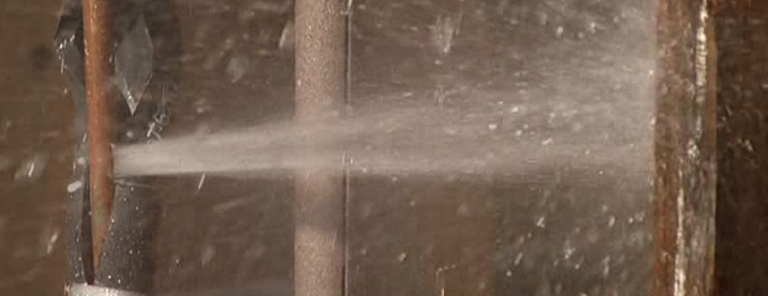
The danger is not the ice itself. As water freezes it expands and builds pressure between the ice blockage and the closed faucet. That pressure is what splits the pipe, often somewhere other than where the ice formed. That is why many pipes do not leak until they thaw.
Which pipes freeze first in Michigan homes
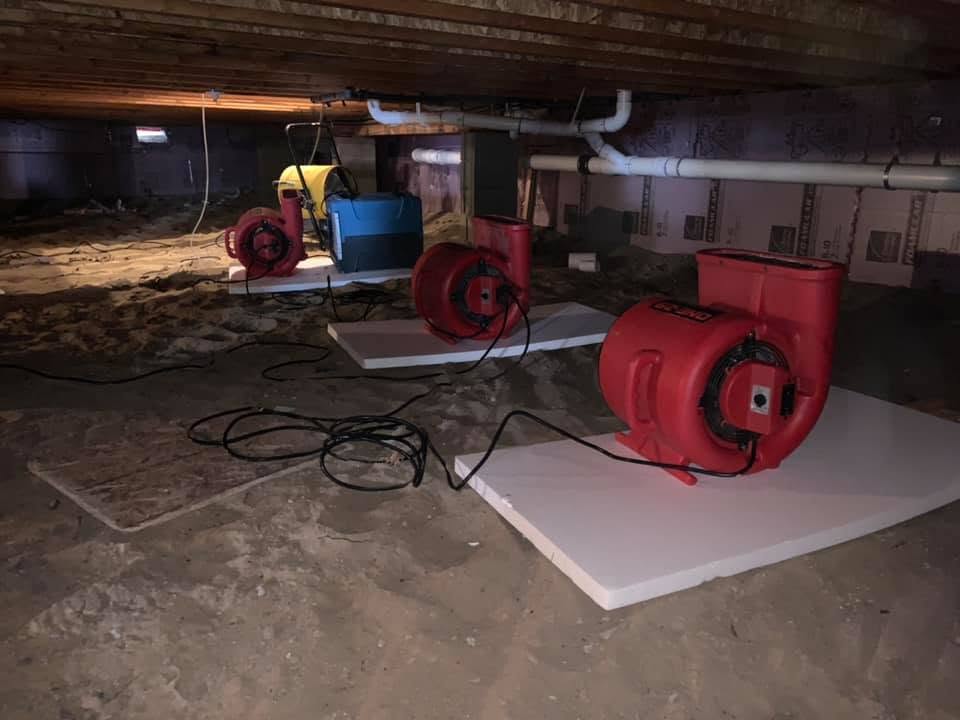
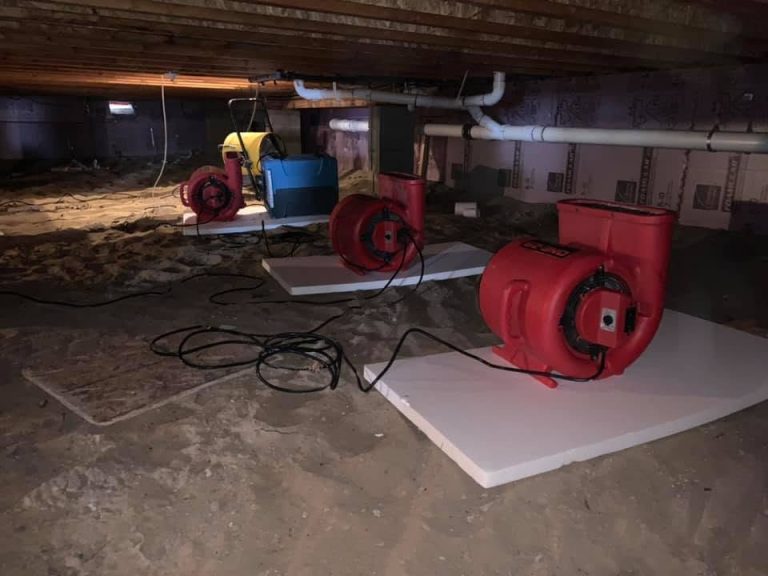
- Pipes in crawl spaces and unfinished basements near the rim joist
- Pipes running through exterior walls, especially under kitchen and bathroom sinks
- Supply lines in attached garages and above unheated garages
- Outdoor hose spigots and the short pipe just inside the wall
- Pipes in additions, porches and bonus rooms that are poorly insulated
- Any pipe in a vacant house or cottage where the heat was turned down

How to prevent frozen pipes before a cold snap
- Keep the thermostat at 55°F or higher, day and night.
- Open cabinet doors under sinks on outside walls so warm air reaches the pipes.
- Let a faucet on an outside wall drip slowly (hot and cold) on the coldest nights.
- Disconnect garden hoses, shut the indoor valve to outdoor spigots and drain them.
- Seal drafts around the foundation, rim joist and where pipes enter the house.
- Insulate exposed pipes with foam sleeves, or use heat cable rated for pipes.
- If you leave for the winter, have someone check the house daily, or have the water shut off and the lines drained.
Signs a pipe is frozen and how to thaw it safely
If a faucet gives only a trickle on a very cold morning, a pipe is probably frozen. Keep the faucet open, then warm the pipe slowly with a hair dryer, a space heater kept a safe distance away, or warm towels, starting near the faucet and working toward the cold section. Never use a torch or open flame. If you cannot find the frozen section, or you see water as it thaws, shut off the main valve and call a plumber.
Pipe froze and burst?
Shut off the main water valve, then call us. Free inspections and 24/7 water removal across Macomb, Oakland and Wayne Counties.
24/7 Emergency: 810-523-0034Office: 586-791-3900If a frozen pipe has already burst
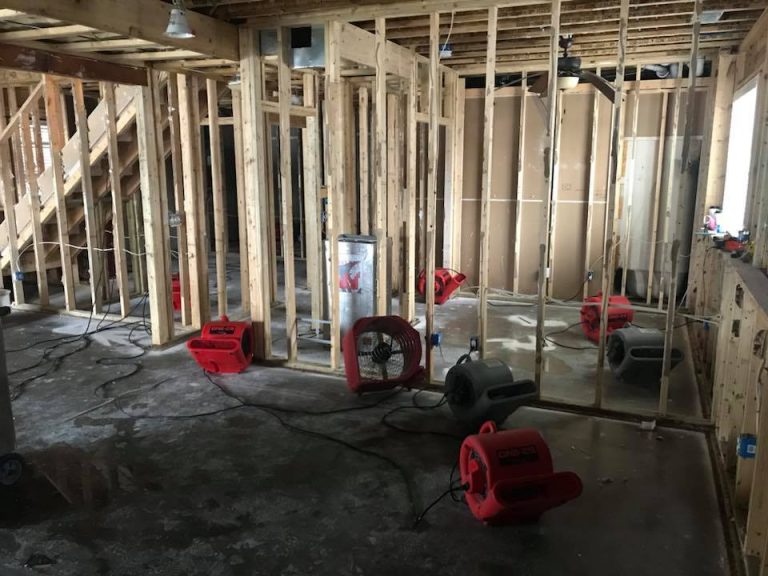
Shut off the water, turn off power to wet areas if it is safe, take photos and call a restoration company the same day. Our step-by-step guide covers it: Pipe Burst in Your Michigan Home? What to Do in the First Hour. Select Restoration provides frozen and burst pipe water cleanup in Macomb County and across Oakland and Wayne Counties, from water removal and drying to the final repairs.
Wondering about insurance? See Are Frozen Pipes Covered by Homeowners Insurance in Michigan? on Restoration Advocate.
Frequently asked questions
At what temperature do pipes freeze in Michigan?
Water freezes at 32°F, but pipes inside a house usually do not freeze until it is much colder outside. Research by the University of Illinois Building Research Council found that unprotected pipes in unheated spaces start freezing when the outdoor temperature drops to about 20°F or below, and faster with wind.
How long does it take for pipes to freeze?
It depends on the cold, the wind and where the pipe runs. Exposed pipes in a crawl space, garage or outside wall can freeze within hours during a hard freeze; well-insulated pipes inside heated rooms rarely freeze at all.
How do I know if a pipe is frozen?
Common signs are a faucet that gives only a trickle or nothing, frost on an exposed pipe, a bulge in the pipe, or an odd smell from a drain. If a pipe is frozen, assume it may have cracked and check for leaks as it thaws.
Should I let my faucets drip in cold weather?
Yes, during extreme cold. A slow drip from a faucet on an outside wall keeps water moving and relieves pressure in the line, which makes a burst less likely.
What temperature should I keep my house to prevent frozen pipes?
Keep the thermostat at 55°F or higher, day and night, even when you are away. Lowering the heat overnight or in a vacant home is one of the most common causes of frozen pipes.
General information only. Freezing depends on your home's construction, insulation and the weather. Your insurance policy wording controls your coverage.
