



Can You Clean Smoke Damage Yourself? What Works, What Makes It Worse
When a sponge and some cleaner will do the job, the mistakes that set soot and odor in for good, and when it is time to call a pro.
Restoring homes since 1993•IICRC Certified Firm•Free inspectionsSmoke damage you can usually clean yourself
- A light gray film on one wall or ceiling from candles, an oil lamp or a quick cooking mishap
- A small sooty patch above a fireplace or wood stove after a backdraft
- A faint smoke smell that fades within a day or two with fresh air
For these, ventilate the room, then use a dry chemical sponge (often sold as a "soot sponge") on walls and ceilings before using any water. Wipe in straight, overlapping strokes and turn the sponge often. Only after the loose soot is gone should you wash with a mild degreasing cleaner, working from the bottom of the wall up so drips do not streak.
Smoke damage you should not try to clean yourself
- The smoke spread to other rooms or floors. If you can see or smell it two rooms away, it is in the ducts, closets, insulation and contents too.
- The residue is black, oily or sticky. That usually means burned plastics, synthetics or grease. It smears when wiped and stains paint, wood and grout.
- It was a furnace puffback. Puffback soot is fine and oily and travels through the whole duct system. See our furnace puffback cleanup guide.
- It came from a kitchen grease fire. Grease smoke coats cabinets, ceilings and range hoods with a film household cleaners spread around. See kitchen fire smoke cleanup.
- The fire department came out, or you plan to file a claim. Cleaning before the damage is documented makes it harder to show your adjuster what happened.
Black, oily soot or smoke in more than one room?
Don't wipe it yet. Free smoke damage inspections across Macomb, Oakland and Wayne Counties, 24/7.
24/7 Emergency: 810-523-0034Office: 586-791-39006 mistakes that make smoke damage worse
- Wiping soot with a wet rag. Water and soot make a smear that soaks into paint and drywall. Dry removal always comes first.
- Running the furnace or central air. The blower pulls soot into the ducts and spreads it through every room. Turn it off and change the filter before running it again.
- Washing smoky clothes in your machine. Regular detergent often locks smoke odor into fabric. Smoke-damaged clothing, drapes and bedding usually need specialty cleaning.
- Turning on smoky electronics. Soot is acidic and can damage circuits. Leave TVs, computers and game systems unplugged until they are checked.
- Air fresheners or painting over soot. The odor comes back on humid days, and paint will not stick well over soot. Odor has to be removed at the source, then sealed.
- Leaving it for weeks. Smoke residue keeps etching surfaces, so items that could have been cleaned early may need replacing later.
What to do in the first 24 hours
- Make sure the home is safe to enter. If the fire department responded, follow their instructions first.
- Open windows if the weather allows, and keep the furnace and A/C off.
- Take photos and video of every affected room before you move or clean anything.
- Call your insurance agent to report the loss.
- Bag smoky clothing and fabrics separately. Do not wash them yet.
- Keep electronics unplugged, and call a certified restoration company for an inspection if any warning signs above apply.
How professionals clean smoke and soot
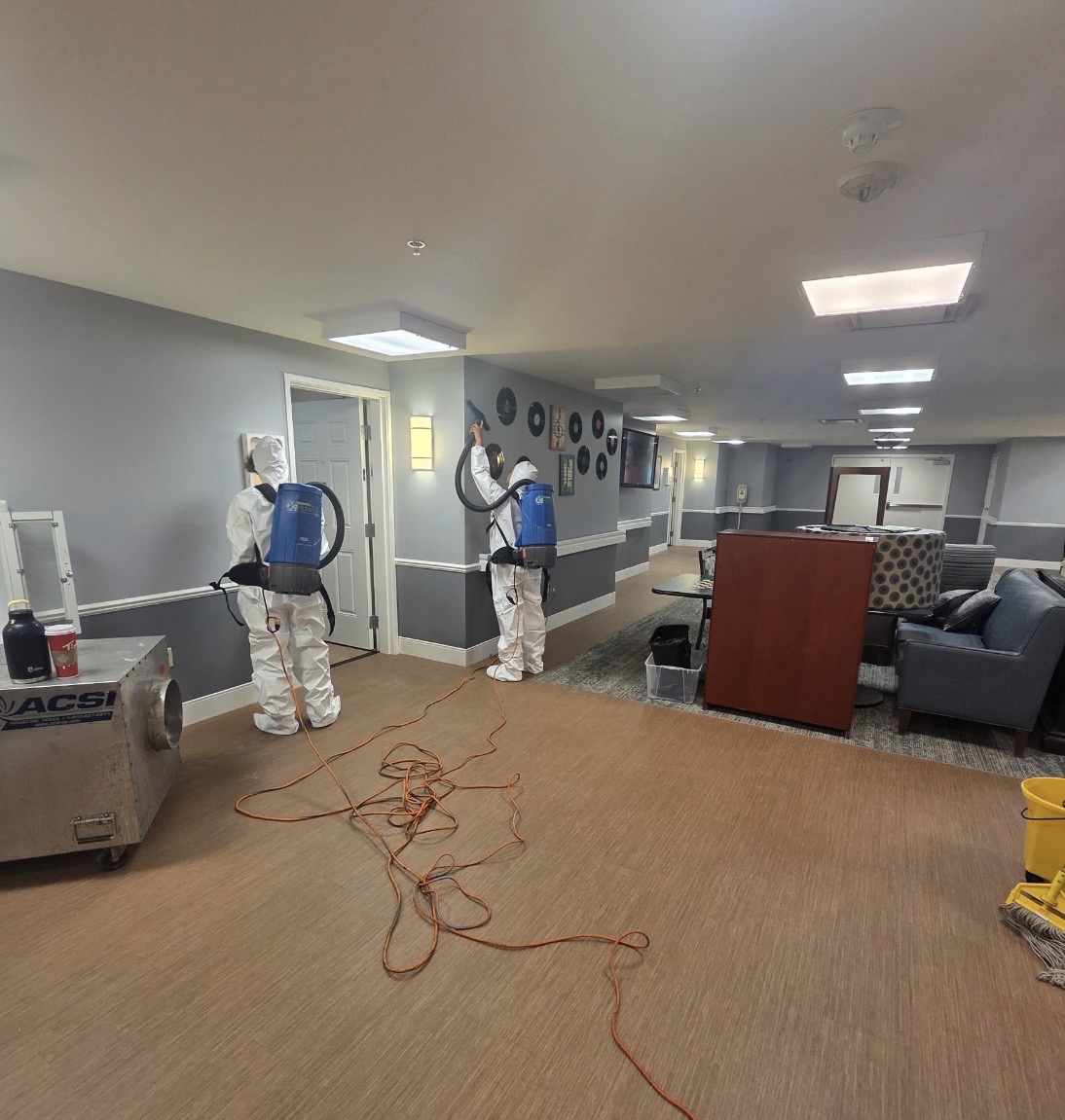
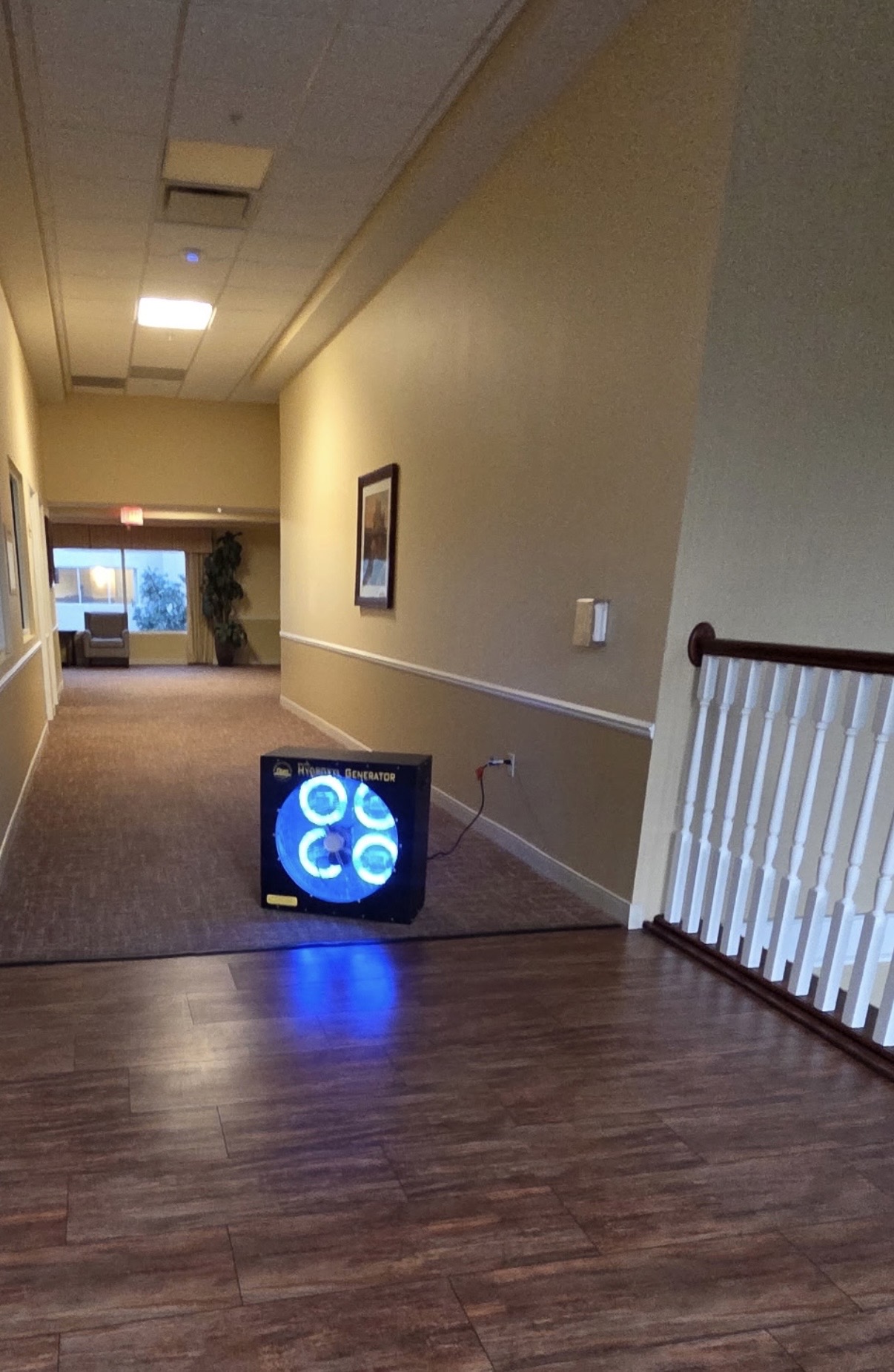
Professional smoke cleanup follows the ANSI/IICRC S700 standard for fire and smoke damage restoration. In practice that means testing the residue to choose the right method, removing loose soot dry, cleaning every affected surface top to bottom, cleaning or replacing HVAC filters and ductwork, sending contents and fabrics for specialty cleaning, and removing odor with tools like thermal fogging and hydroxyl generators before anything is sealed or painted.
Learn more about our smoke and soot cleanup and contents cleaning and restoration.
Is smoke damage covered by insurance?
Many Michigan homeowners policies cover sudden smoke damage from a fire, puffback or similar event, but coverage depends on your policy. Document everything, report the loss promptly, and keep receipts for anything you spend to protect your home. Our insurance restoration process guide walks through how a claim typically works.
Select Restoration works with all insurance companies. Our estimators write in Xactimate, the same pricing software insurers use, and we can meet your adjuster on site.
Frequently asked questions
What is the best way to clean soot off walls?
Start dry. Use a dry chemical soot sponge in straight, overlapping strokes, turning it often. Only after loose soot is removed should you wash with a mild degreasing cleaner, working from the bottom up. If the soot is black and oily or smears when touched, stop and call a professional.
Can I wash smoke-damaged clothes myself?
Lightly smoky clothes may come clean, but regular detergent often locks heavy smoke odor into fabric. Bag smoke-damaged clothing, drapes and bedding separately and have them professionally cleaned, especially if you plan to file an insurance claim.
Is it safe to stay in a house with smoke damage?
Soot is made of very fine particles that can irritate eyes, skin and lungs and is hard on children, older adults and anyone with asthma. Ventilate, keep the furnace off, and keep sensitive people out of affected rooms until it has been cleaned. If the fire department responded, follow their guidance before going back in.
Will painting over soot get rid of the smoke smell?
No. Paint does not stick well to soot, and the odor usually comes back, especially on humid days. Soot has to be cleaned off and the odor removed at the source, then surfaces are sealed with an odor-blocking primer before painting.
Does homeowners insurance cover smoke damage?
Many Michigan policies cover sudden smoke damage from a fire, puffback or similar event, but coverage depends on your policy. Take photos before cleaning, report the loss promptly and check with your agent.
Not sure if you can handle it yourself?
Select Restoration has served Macomb, Oakland and Wayne Counties since 1993. IICRC Certified Firm, free inspections, and we'll tell you honestly if a sponge and cleaner will do it. Smoke cleanup near you: Macomb · Oakland · Wayne.
24/7 Emergency: 810-523-0034Office: 586-791-3900Written by Bryan Nowicki, owner of Select Restoration and a Michigan licensed builder. This guide is general information, not insurance or legal advice.
