


Furnace Out or Power Out? Keep Your Pipes From Freezing
No heat on a Michigan winter night can mean a burst pipe by morning. Here is what to do in the first hours, and what to do if a pipe already froze or split.
Restoring homes since 1993•IICRC Certified Firm•Open holidaysIt's 11 p.m. in January, it's 4 degrees outside, and the house is getting cold. Maybe the furnace quit. Maybe an ice storm knocked the power out across half of Macomb County. Either way, you've got a few hours before the water in your pipes starts to freeze, and a frozen pipe is how a no-heat night turns into thousands of dollars of water damage.
We're Select Restoration, a local restoration company in Fraser, and we've answered burst-pipe calls across Macomb, Oakland and Wayne Counties for over 20 years. Here's what we tell homeowners to do, in order.
How long do you have?
There's no exact clock. It depends on how cold it is outside, how well the house is insulated and where the pipes run. A well-sealed house can hold some heat for most of a day. Pipes in an outside wall, a crawl space, an unheated garage or over a cold basement rim joist can freeze in just a few hours when it's in the single digits. Treat it as urgent from the start. See how cold it has to be for pipes to freeze in Michigan.
First hour: slow the heat loss
- Close it up. Shut every storm window and door, and close curtains and blinds. Keep the garage door down.
- Pick one room to live in and close off the rest, but open the cabinet doors under every sink, especially on outside walls, so warmer air reaches those pipes.
- Let faucets drip. A slow drip of hot and cold on the faucets farthest from where water enters the house keeps water moving and relieves pressure.
- Find your main water shutoff now, while you can still see. It's usually in the basement where the water line comes through the foundation wall. Make sure it turns.
If the furnace quit (power is still on)
- Check the simple things first: thermostat batteries and setting, the furnace switch near the unit, the breaker, and a clogged filter.
- Call your HVAC company. Many run 24/7 in winter, but on the coldest nights there can be a wait.
- Space heaters can keep one room and nearby pipes warm. Keep them three feet from anything that burns and plug them straight into the wall, no extension cords.
- Never leave a space heater running while you sleep or leave the house.
If the power is out
- Report the outage to DTE or Consumers Energy and check their outage map for a restore time.
- Keep the house closed up and the faucets dripping while you wait.
- If the power will be out a long time and the house is dropping toward freezing, drain the plumbing: shut off the main, open every faucet (top floor first, then the lowest) and flush the toilets.
- With a boiler or an older home with a lot of plumbing, call a plumber to winterize it properly.
Leaving for a hotel or family? Shut off the main water valve before you go and open a faucet on the lowest floor to drain pressure. A burst pipe in an empty house can run for days before anyone notices. More in our guide to winterizing a home and protecting pipes.
Pipe already burst?
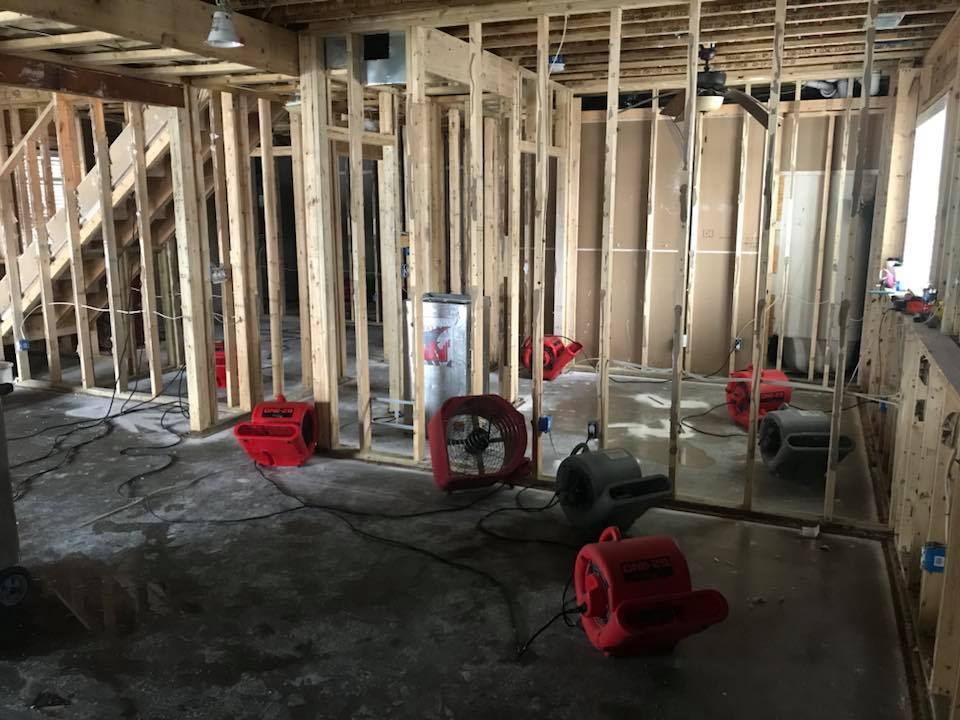
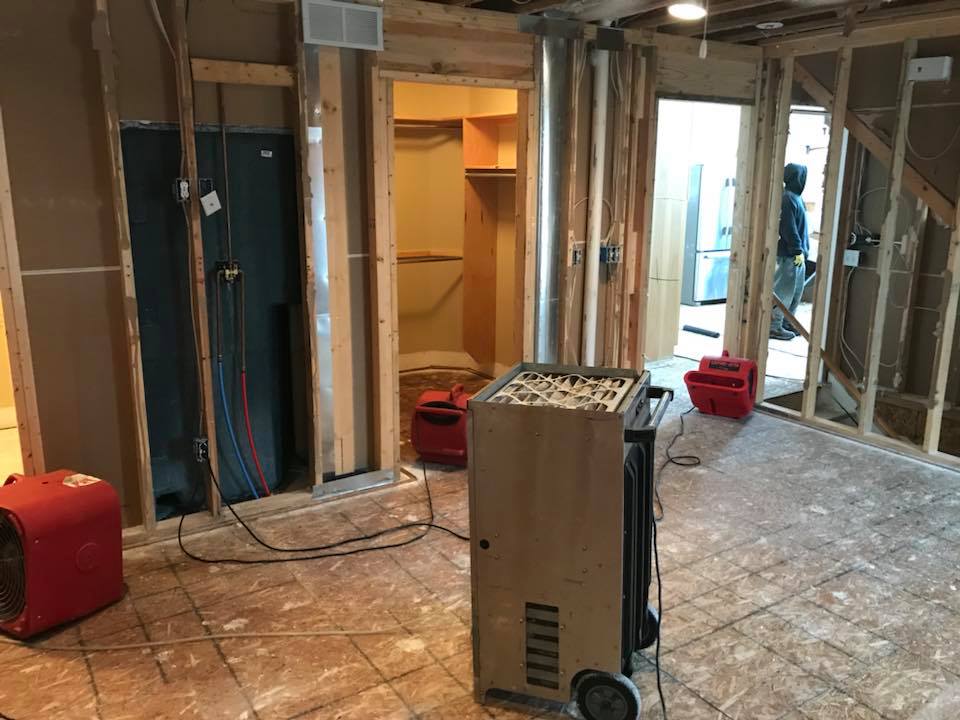
Shut off the main water, then call. We extract the water and start drying day or night, holidays included, across Macomb, Oakland and Wayne Counties.
24/7 Emergency: 810-523-0034Office: 586-791-3900Signs a pipe has already frozen
- A faucet gives only a trickle, or nothing at all
- Frost on an exposed pipe
- A bulge or split you can see
Frozen but not burst? Leave the faucet open and warm the pipe slowly with a hair dryer, a heating pad or warm towels, working from the faucet back toward the frozen spot. Never use a torch or open flame. Watch it as it thaws, because a crack often doesn't leak until the ice melts.
If a pipe bursts
- Shut off the main water right away.
- Shut off power to wet areas at the breaker if you can do it safely, and stay out of standing water near outlets or appliances.
- Take photos and video of everything before you move anything. Your insurance company will want them.
- Move what you can (rugs, electronics, papers, furniture) off wet floors.
- Call a water damage company fast. Water moves into drywall, insulation and subfloors within hours, and mold can start in 24 to 48 hours.
- Keep receipts for anything you buy or spend to protect the house.
Step-by-step details: pipe burst: what to do in the first hour.
Will insurance cover it?
Most homeowner policies cover sudden water damage from a burst pipe. Many policies can deny a claim if the home wasn't reasonably heated or the water wasn't shut off, especially in a vacant home. That's one more reason to document what you did: the furnace call, the outage, the steps you took. Read your own policy, and call your agent if you're unsure.
We work with all insurance companies and can walk you through the claim. See our insurance restoration process guide.
Frequently asked questions
How long does it take for pipes to freeze with no heat?
There's no exact clock. A well-sealed house can hold heat for most of a day, but pipes in outside walls, crawl spaces, unheated garages or over a cold basement rim joist can freeze in a few hours when it's in the single digits. Treat a no-heat night as urgent.
Should I let my faucets drip if the furnace goes out?
Yes. A slow drip of both hot and cold on the faucets farthest from where water enters the house keeps water moving and relieves pressure, which makes the pipes less likely to freeze and burst.
Should I drain my pipes if the power is out?
If the power will be out a long time and the house is dropping toward freezing, yes. Shut off the main water, open every faucet starting with the top floor, then the lowest, and flush the toilets. For a boiler or an older home with a lot of plumbing, call a plumber to winterize it.
How do I thaw a frozen pipe safely?
Leave the faucet open and warm the pipe slowly with a hair dryer, heating pad or warm towels, working from the faucet back toward the frozen spot. Never use a torch or open flame, and watch for leaks as it thaws.
Does homeowners insurance cover a burst pipe?
Most policies cover sudden water damage from a burst pipe, but a claim can be denied if the home wasn't reasonably heated or the water wasn't shut off, especially in a vacant home. Document what you did and check your policy with your agent.
We're here 24/7
If a pipe bursts in Macomb, Oakland or Wayne County, call Select Restoration day or night, holidays included. We'll extract the water, set up drying equipment, document everything for your claim and rebuild what was damaged. Burst pipe cleanup: Macomb · Oakland · Wayne.
24/7 Emergency: 810-523-0034Office: 586-791-3900Written by Bryan Nowicki, owner of Select Restoration and a Michigan licensed builder. This guide is general information, not insurance, legal or safety advice for your specific home.
