


Water or Fire in a Rental? Do This First
Do this now
- Call 911 for any fire, smoke or gas smell, and make sure every unit is out.
- Find the source and shut it off. Get into the unit above the leak, or shut the building main if you can’t.
- Check the units next to and below it. Water and smoke rarely stay in one apartment.
- Kill power to wet areas if water is coming through light fixtures or near panels.
- Photograph every affected unit and common area, and write down which tenants are affected.
- Notify your insurance agent and tell tenants to call their renters insurance.
- Call us at 810-523-0034. We’ll work unit by unit and keep a record for each one.
Don’t
- Don’t wait for the upstairs tenant to come home. Water keeps moving down.
- Don’t let tenants move back into a unit with wet walls or smoke residue.
- Don’t throw out a tenant’s belongings. Those usually belong to their claim, not yours.
- Don’t leave a vacant, damaged unit unheated or unsecured.
How Damage Moves in a Multi-Unit Building
In a single-family house, a water leak usually stays in a few rooms. In an apartment building, it follows gravity and the plumbing. It runs down through the floor of the unit above, along joists, into the ceiling and walls of the unit below, and sometimes down another floor before anyone sees it. The unit that called you is often not the worst one.
Fire works the same way. The flames may stay in one kitchen, but smoke and soot travel through shared hallways, attic spaces, wall cavities and ductwork. A tenant two doors down can have soot on the ceiling and a smell in every closet.
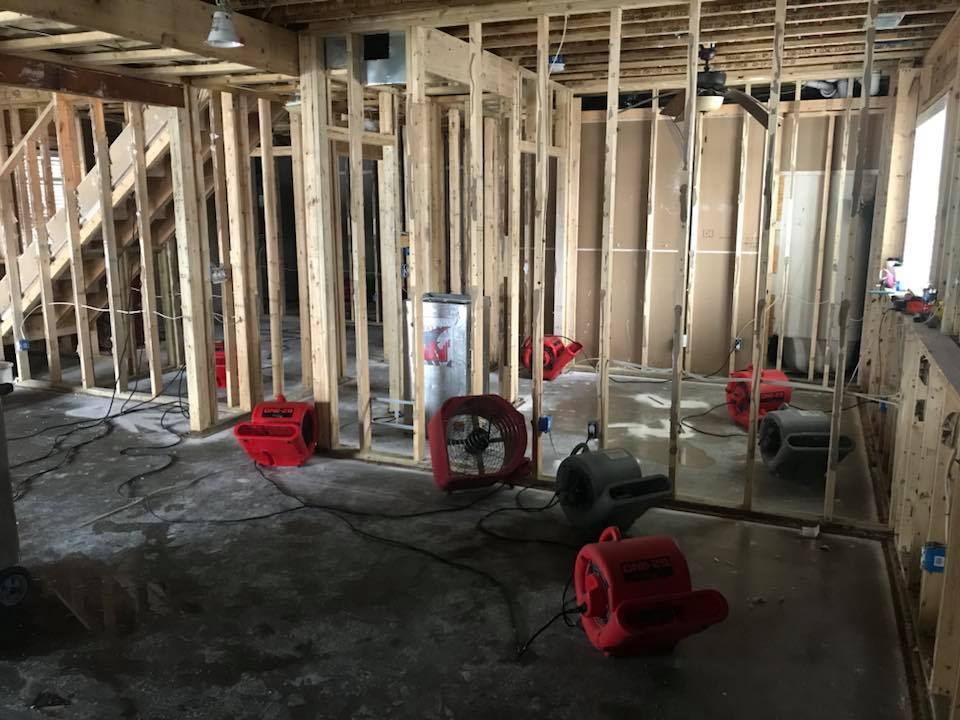
So we don’t stop at the unit with the problem. We check the units above, below and on each side with moisture meters and thermal cameras, and for fires, we inspect neighboring units and common areas for smoke and soot. Each unit gets its own photos, readings and notes.
Who Pays: Landlord Insurance vs. Renters Insurance
This is the question every landlord and tenant asks first. In most cases, it splits roughly like this, but your policies and your lease decide, so check with your insurance agent.
| What was damaged | Usually covered by |
|---|---|
| The building: walls, floors, ceilings, cabinets, fixtures, built-in appliances | The owner’s property (landlord) policy |
| The tenant’s furniture, clothes, electronics and other belongings | The tenant’s renters insurance, if they have it |
| Hotel or living costs while a unit can’t be lived in | Often the tenant’s renters policy (loss of use) |
| Lost rent while the unit is being repaired | The landlord’s policy, if it includes loss of rents coverage |
| Damage a tenant or neighbor caused | Can depend on fault and the liability coverage on each policy |
How We Help With the Claim
We keep separate documentation for each unit and for the common areas, write a line-by-line Xactimate estimate, meet the adjuster and do the repairs. That makes it easier when two or three insurance companies are involved. We don’t handle or negotiate anyone’s claim. More on water leaks from an upstairs neighbor.
What We Handle for Rental Properties
Extraction, drying and repairs across every unit the water reached, plus the ceilings below.
The fire unit, the smoke-affected units next to it, and the hallways and stairwells. See smoke damage cleanup.
We work with your manager on access, schedules and which units can stay occupied, so tenants aren’t left guessing.
Board-up, lock changes, temporary heat and winterizing so an empty unit doesn’t freeze or get broken into.
Fast response for property managers and realtors. See board-up and property protection.
Smoke, pet and cigarette odor between tenants. See cigarette smoke odor removal and pet urine odor removal.
What Happens When You Call
Built for Owners and Managers
Whether you own one duplex in Warren or manage several buildings across Oakland and Macomb County, you get one point of contact and updates you can forward to the owner.
Managers and HOAs can join our free priority emergency response program, which keeps your properties, contacts and shut-off locations on file.
We’ve been doing this with our own crews since 1993, from our shop at 31435 Utica Rd in Fraser.

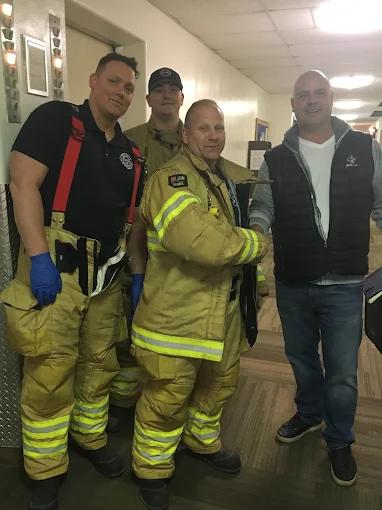
Meet the owner
Bryan Nowicki
Bryan has been in business since 1993, and in 2003 his own family’s home caught fire. He knows what the first days after a fire feel like, and he makes sure every family gets clear answers, fast help and a team that works directly with their insurance company.
If you have any questions or concerns, I’m here to help 24/7. I’d love to walk you through every one of your options so you can make the best decision for your home and your family.
— Bryan Nowicki, Owner
Local, family run, since 1993
Why Metro Detroit Homeowners Trust Select Restoration
Letting a company inside your home after a fire or flood takes trust. Here is what you can count on with us, and what our customers say about us.
What Happens When You Call
Our Crews at Work
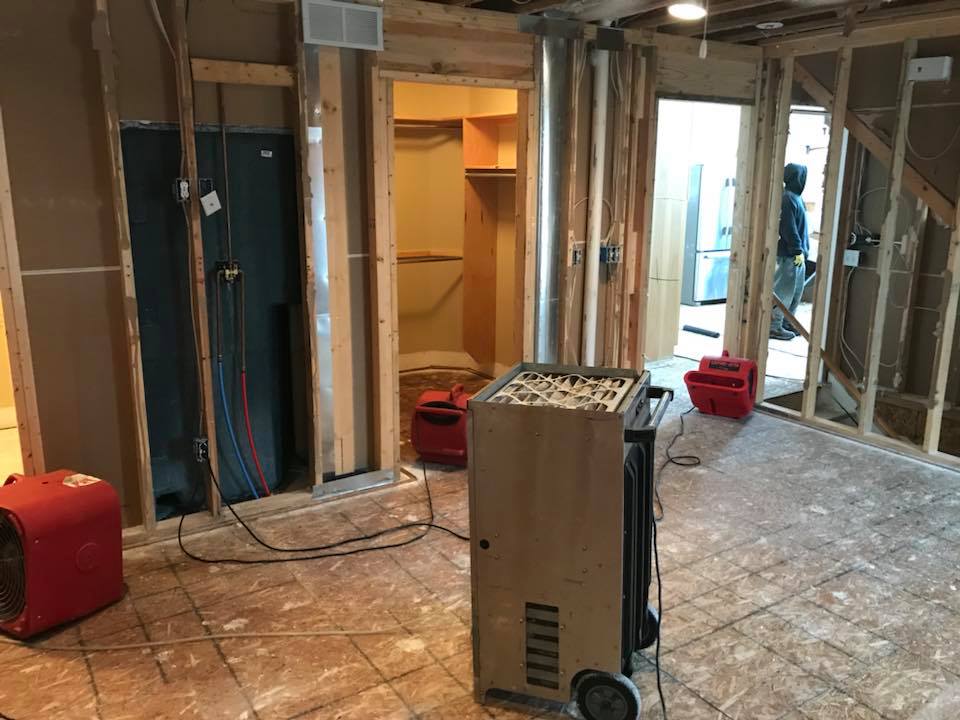
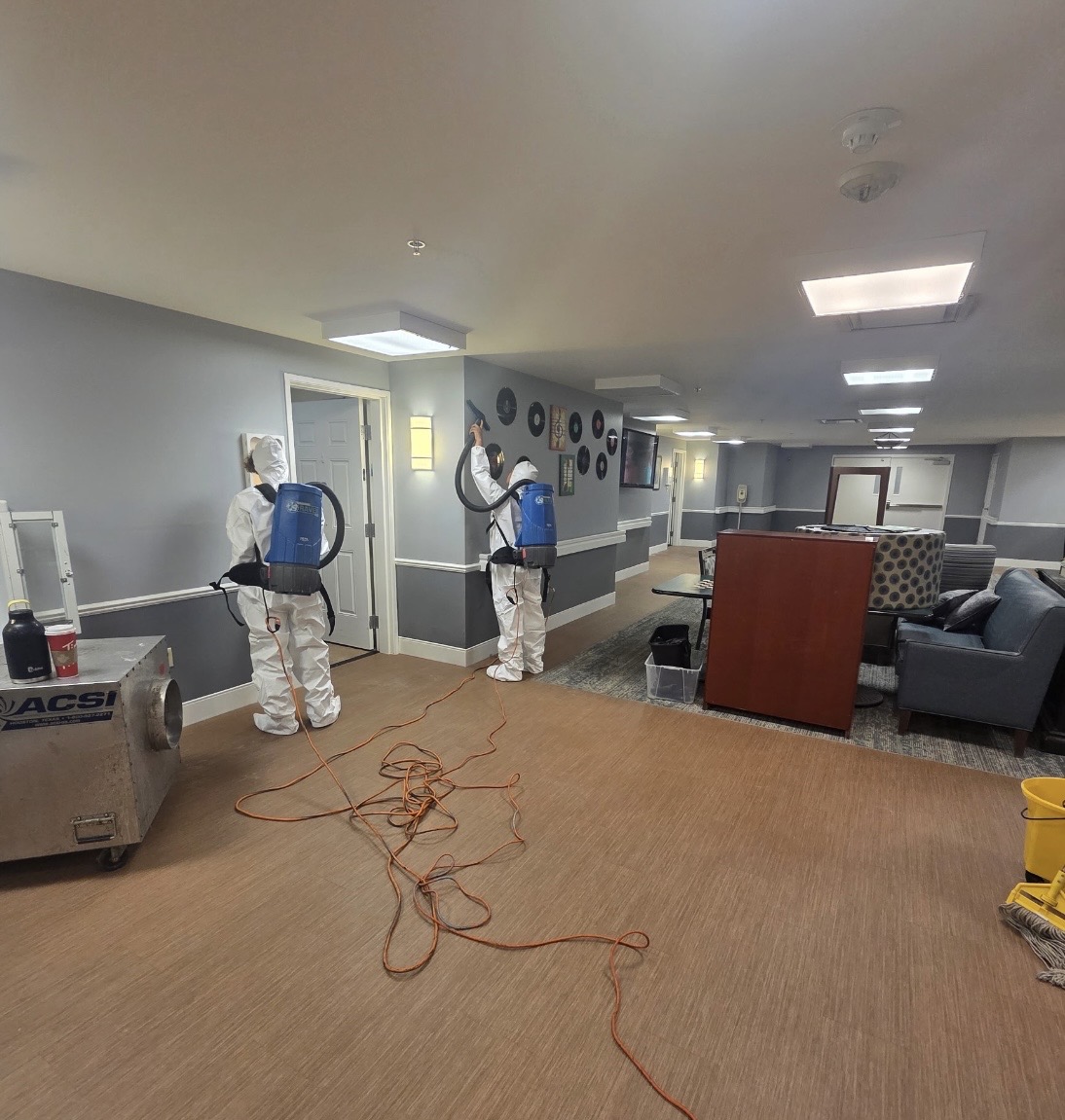
Our own crews, our own photos. Every job gets the same start-to-finish care.

Apartment & Rental Property Questions
Who pays for water damage from the apartment upstairs?
Usually the building owner’s policy pays for damage to the building itself, like walls, ceilings and floors, and each tenant’s renters insurance pays for their own belongings. Fault and each policy’s liability coverage can change that, so check with your insurance agent.
Is the landlord responsible for fire damage in Michigan?
Under MCL 554.139, a Michigan landlord agrees to keep the premises fit for their intended use and in reasonable repair, except for disrepair caused by the tenant’s willful or irresponsible conduct. Building repairs usually run through the owner’s property insurance, and tenants’ belongings usually run through renters insurance. Talk with an attorney or agent about your situation.
Is a tenant responsible for water damage?
It depends on what caused it and what the lease says. A tenant who caused damage through willful or irresponsible conduct may be responsible, and their renters liability coverage may respond. A pipe that failed on its own is usually a building repair for the owner.
Can tenants stay while you work?
Often in units that aren’t badly affected. Units with wet walls, smoke residue or no heat usually need to be empty until they’re dry and clean. We work with the property manager on which units can stay occupied.
Do you protect vacant units?
Yes. We board up, change locks, set up temporary heat and winterize vacant units so they don’t freeze or get broken into while they wait for repairs or new tenants.
Do you work with property managers and HOAs?
Yes. We work with owners, managers and associations across Macomb, Oakland and Wayne County, and managers can join our free priority emergency response program.