


The Short Answer
Usually, it is your choice
Most standard homeowners policies do not require you to use the contractor your insurance company suggests. A recommendation is an offer, not a requirement.
Check your policy
Some policies include a managed repair or preferred contractor requirement, often in exchange for a lower premium. If yours does, it will be written in the policy. Your agent can tell you.
Coverage works the same way
Whoever you pick, your insurance company still reviews the damage and the estimate and decides what is covered under your policy.
How Insurance Preferred Contractor Programs Work
Many insurance companies keep a network of approved contractors, sometimes called preferred vendors or a direct repair program. When you report a claim, they may offer to send one of them out.
Contractors in these programs agree to the insurer’s guidelines for things like response times, pricing and reporting. That can make the start of a claim move quickly, and plenty of good companies are in these networks. It simply means the job was set up through your insurance company.
We know these programs from both sides. We are part of an insurance preferred contractor network ourselves, and we also work directly for homeowners who call us first. Either way, the choice is yours.

Two Ways to Hire Us
Call us directly
You call us before or right after you report the claim. We come out, stop the damage, document everything and write the estimate, and you tell your insurance company we are your contractor.
Through your insurer’s program
Depending on your insurance company, we may be the contractor they send through their network. If so, you get the same local crews, the same documentation and the same One Call process.
Same family-owned company in Fraser since 1993, whichever door you come in.
Questions to Ask Any Restoration Company
Whether a contractor comes from your insurance company, a neighbor or a Google search, these questions help you compare.
Are you IICRC certified and licensed in Michigan?
Ask for the certification and the Michigan residential builder license, and check that they are current.
Are you insured?
General liability and workers compensation protect you if someone is hurt or something is damaged during the work.
Who actually does the work?
Find out whether their own crews show up or the job is handed to someone else.
How do you document the damage?
Photos, moisture readings and drying logs help your insurance company review the claim.
Who is my point of contact?
One person who answers your calls makes a long project much easier.
Do you handle the rebuild too?
A company that dries it out and puts it back avoids a gap between two contractors.
What warranty do you give?
Get the workmanship warranty in writing before the work starts.
Do you have a local office?
A local shop you can visit is easier to reach after the job is done.
If You Want to Use Your Own Contractor
- Stop the damage first. Most policies ask you to take reasonable steps to prevent more damage. Emergency work like water extraction, drying or a board-up usually cannot wait.
- Report the claim. When your insurance company asks, let them know you already have a restoration company, and give them our name and number.
- Let us document it. We photograph the damage, take moisture readings and send that information to your adjuster.
- Meet the adjuster. We can meet your adjuster on site to walk through the damage and the work. Decisions about your claim stay between you and your insurance company.
- Approve the work. Once the scope is approved, we schedule repairs and keep you updated.
More on insurance repairs, how we handle insurance claims and deductibles and payment plans.

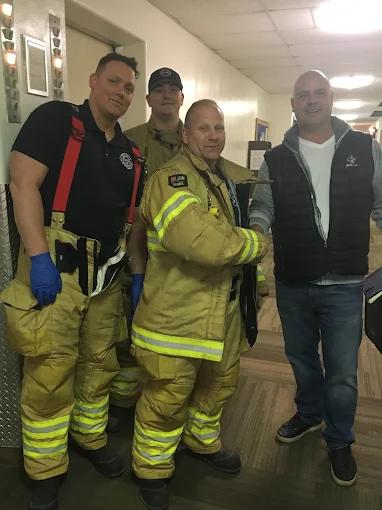
Meet the owner
Bryan Nowicki
Bryan has been in business since 1993, and in 2003 his own family’s home caught fire. He knows what the first days after a fire feel like, and he makes sure every family gets clear answers, fast help and a team that works directly with their insurance company.
If you have any questions or concerns, I’m here to help 24/7. I’d love to walk you through every one of your options so you can make the best decision for your home and your family.
— Bryan Nowicki, Owner
Insurance Contractor Questions
Do I have to use the contractor my insurance company recommends?
In most cases, no. Most standard homeowners policies let you choose who repairs your home. A small number of policies include a managed repair or preferred contractor requirement, so check your policy or ask your agent.
What is an insurance preferred vendor?
A preferred vendor is a contractor in an insurance company’s approved network. These contractors agree to the insurer’s guidelines for response times, pricing and reporting, and the insurer may offer to send one after you report a claim.
Can I switch contractors after the insurance company sends one?
Usually you can, but switching in the middle of a job can cause delays and questions about work already done. If you are not comfortable with a contractor, it is easier to decide early. Read anything you signed and talk with your insurance company before switching.
Will choosing my own contractor slow down my claim?
It should not. Your insurance company still assigns an adjuster and reviews the estimate either way. Good documentation, like photos, moisture readings and a detailed estimate, is what keeps a claim moving.
Does my insurance company pay a different amount if I pick my own contractor?
Your coverage comes from your policy, not from which contractor you hire. Your insurance company reviews the damage and the estimate and decides what is covered. Ask your agent if you have questions about your specific policy.
Is Select Restoration a preferred vendor?
Yes. We are part of an insurance preferred contractor network, and we also work directly for homeowners. We work with every insurance carrier.
What should I tell my insurance company if I already have a contractor?
Tell them you already have a restoration company and give them the company name and phone number. We can then send photos, readings and our estimate to your adjuster.
Should I sign anything before my insurance company approves the claim?
Read any agreement carefully before you sign it. For emergency work, you will usually sign a work authorization so the crew can start. Ask questions about anything you do not understand.