


Water Coming Through the Ceiling in Winter? Do This First
Do this now
- Turn off the breaker for any light fixture, bath fan or ceiling fan that’s dripping. Water and wiring don’t mix.
- Stay out from under a ceiling that’s sagging or bulging. Wet drywall can let go without warning.
- Put down buckets and towels and move furniture, electronics and anything valuable out of the drip zone.
- Take photos and video of the stains, the drips and, if you can safely look, the attic with a flashlight.
- Call us at 810-523-0034. We check the attic and ceilings with moisture meters and a thermal camera and start drying the same day when crews are available.
Don’t
- Don’t poke holes all over the ceiling to drain it. One small relief hole in the lowest spot, with a bucket under it, is enough.
- Don’t paint over the stains. They’ll bleed through, and the wet insulation above them stays wet.
- Don’t assume it’s the roof and call a roofer first. If it’s frost, a new roof won’t fix it.
- Don’t crank up a humidifier while it’s happening. Extra moisture in the house is part of the problem.
- Don’t wait for spring. Wet insulation and roof sheathing can start growing mold in the meantime.
How Attic Frost Forms
Your house is full of warm, moist air in winter from showers, cooking, laundry, people and pets. Some of that air leaks up into the attic through gaps you never see: around recessed lights, the attic hatch, plumbing vents, wiring holes, and bath fans that were vented into the attic instead of outside.
When that warm air hits the cold underside of the roof deck, the moisture freezes into frost. In a long cold stretch, the frost keeps building on the sheathing and on every roofing nail that pokes through. Then the temperature jumps, or the sun hits the roof, and all of it melts at once. Contractors call it a “raining attic.” The water soaks the insulation, runs along the framing and comes through the ceiling, often far from where it started.
It’s not rain getting in. It’s your own house’s moisture, and the fix is in the attic, not usually on the roof.

Attic Frost or Ice Dam?
Both happen in a Michigan winter and both leave ceiling stains, but the cause and the fix are different. Our ice dam water damage page covers the other one.
| Attic frost | Ice dam | |
|---|---|---|
| When it shows up | During a thaw or a sunny day after a cold snap, sometimes with no snow on the roof | After heavy snow sits on the roof, when the eaves stay frozen |
| Where the water shows | Anywhere on top-floor ceilings, often around light fixtures, bath fans and the attic hatch | Along exterior walls and the tops of windows, near the eaves |
| What the attic looks like | White frost on nails and the underside of the roof deck, damp insulation spread out | Water and ice at the low edges of the roof, wet at the bottom of the rafters |
| What usually fixes it | Air sealing the ceiling, venting bath fans outside, checking attic ventilation | Removing the ice dam, then insulation, ventilation and sometimes roof work |
What We Handle
Moisture meters and a thermal camera on the ceilings, then a look in the attic, so you know whether it’s frost, an ice dam, a plumbing leak or the roof.
Dehumidifiers and air movers in the attic and the rooms below, checked with readings until everything is back to dry. More on structural drying.
Soaked insulation gets pulled out and replaced once the framing and sheathing are dry.
Water-damaged drywall gets cut out and replaced, stains get sealed so they don’t bleed through, and the ceiling gets painted to match.
As a Michigan licensed builder (#2102185156), we can seal the attic bypasses and properly vent bath fans that dump moist air into the attic, so it doesn’t happen again next winter.
If frost has been melting onto the sheathing for a few winters, mold can follow. Mold remediation is done through our trusted partner.
When the problem is ice at the eaves instead, we handle ice dam water damage and the cleanup inside.
If the roof itself turns out to be the issue, our sister company Select Installs handles roofing.
Will Insurance Cover Attic Frost Damage?
This one varies more than most. Many homeowners policies exclude condensation and gradual leaks, and some insurers put attic frost in that category. Others cover the sudden water damage to ceilings and insulation when the frost melts. Your own policy decides, so ask your agent before you assume either way.
| Type of damage | Usually |
|---|---|
| Sudden water damage to ceilings and insulation from melting frost | Varies by insurer and policy; ask your agent |
| Water damage from an ice dam | Often covered as resulting water damage, check your policy |
| Mold from long-term condensation | Often excluded or limited |
| Air sealing, venting bath fans or improving ventilation | Usually not covered; it’s treated as maintenance or an improvement |
How We Help With the Claim
We document the damage with photos, moisture readings and notes, write a line-by-line estimate in Xactimate (the same pricing software most adjusters use), meet the adjuster at the property and do the repairs. Your claim itself stays between you and your insurance company. If your claim is denied, we can still dry and repair the house at our regular rates and give you a written estimate. If your deductible is a concern, ask about our $500 Upgrade Credit. More on the insurance restoration process. Questions about your insurer can go to Michigan DIFS at 877-999-6442.
What Happens When You Call
Why It’s Worse in Michigan Winters
Southeast Michigan winters swing back and forth: a week in the single digits, then a day in the forties. Every cold stretch builds frost in the attic, and every thaw melts it. Houses are closed up tight, the furnace is running, and indoor humidity climbs from showers, cooking and humidifiers.
- Bath fans should vent outside through the roof or wall, never into the attic.
- Recessed lights, the attic hatch and plumbing and wiring holes are the big leaks. Sealing them cuts moisture into the attic.
- Keep indoor humidity moderate in winter. Condensation on the inside of your windows is a sign it’s too high.
- If you’ve had a stain before, check the attic during the next cold snap with a flashlight.
Leaving a house empty for the winter? See our property winterizing service.


Meet the owner
Bryan Nowicki
Bryan has been in business since 1993, and in 2003 his own family’s home caught fire. He knows what the first days after a fire feel like, and he makes sure every family gets clear answers, fast help and a team that works directly with their insurance company.
If you have any questions or concerns, I’m here to help 24/7. I’d love to walk you through every one of your options so you can make the best decision for your home and your family.
— Bryan Nowicki, Owner
Local, family run, since 1993
Why Metro Detroit Homeowners Trust Select Restoration
Letting a company inside your home after a fire or flood takes trust. Here is what you can count on with us, and what our customers say about us.
What Happens When You Call
Our Crews at Work
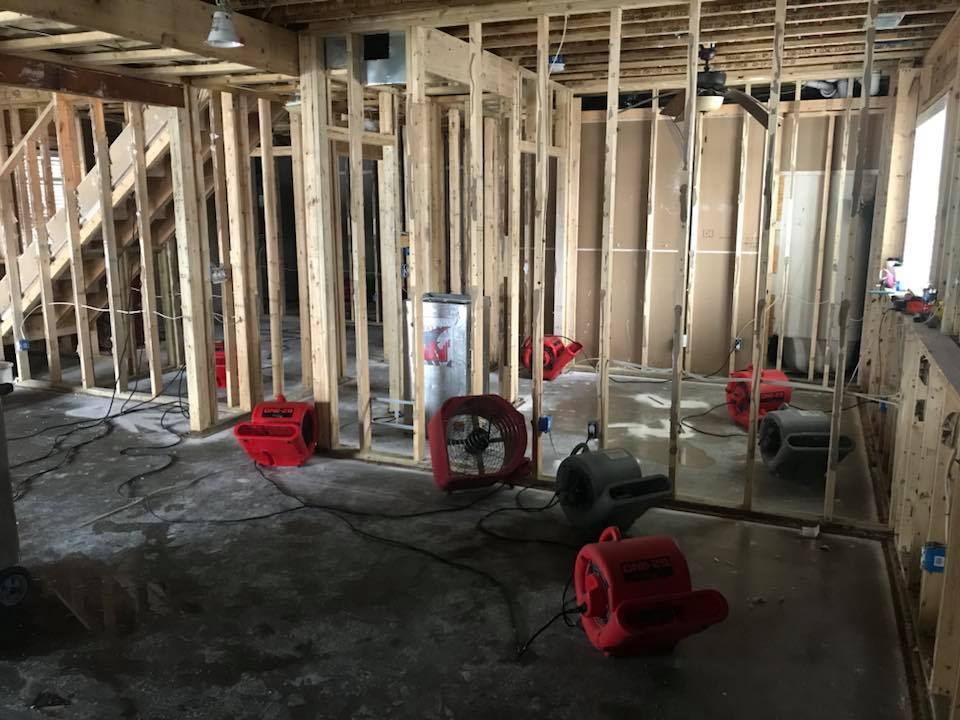
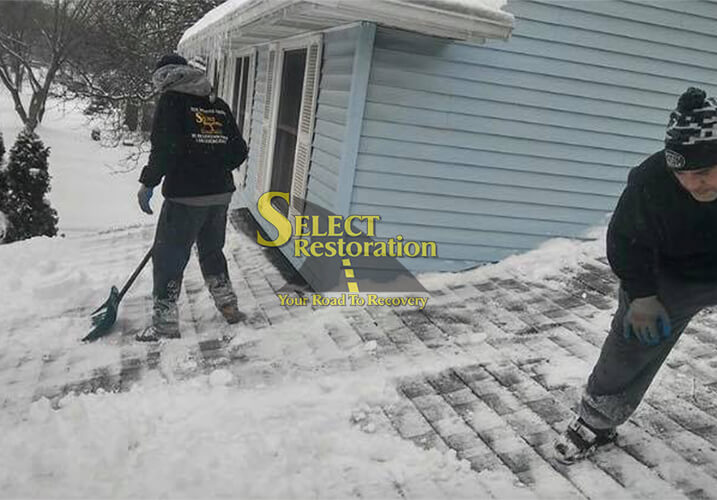
Our own crews, our own photos. Winter water damage gets the same start-to-finish attention as everything else.

Attic Frost & Ceiling Stain Questions
What is attic frost?
Attic frost is moisture from inside your house that leaks into the attic and freezes on the cold underside of the roof deck and on roofing nails. When the weather warms up or the sun hits the roof, it melts all at once and can drip through the insulation and stain or soak the ceiling.
Is water through my ceiling in winter a roof leak?
Not always. If it shows up during a thaw after a cold snap, especially around light fixtures, bath fans or the attic hatch, attic frost is a common cause. If it’s along an exterior wall near the eaves after heavy snow, it may be an ice dam. We check both before anyone replaces a roof that doesn’t need it.
Does homeowners insurance cover water damage from attic frost?
It depends on your insurer and policy. Many policies exclude condensation and gradual leaks, and some treat attic frost that way. Others cover the sudden water damage when it melts. Ask your agent, and get the damage documented either way.
Can attic frost cause mold?
Yes. When frost melts onto the roof sheathing and insulation winter after winter, the wood stays damp long enough for mold to grow. If we find mold, remediation is done through our trusted partner.
How do I stop attic frost from coming back?
Keep warm, moist air out of the attic. That usually means sealing gaps around lights, the hatch and plumbing and wiring holes, making sure bath fans vent outside, checking attic ventilation and keeping indoor humidity moderate. We can make those repairs as part of the job.
Can you fix the ceiling stains?
Yes. After the attic and ceiling are dry, we replace damaged drywall and insulation, seal the stains so they don’t bleed through and paint the ceiling. Painting over a stain without drying it first just brings it back.