


Just Had Water Damage? Do This First
Do this now
- Stop the water at the fixture valve or the main shutoff.
- Shut off power to wet areas if you can reach the breaker without standing in water.
- Take photos and video of the source and every wet room before anything gets moved or thrown out.
- Call your insurance agent if you plan to file a claim. Most homeowners policies ask you to take reasonable steps to protect your home from further damage.
- Call us at 810-523-0034. Mitigation should start right away. Every day wet materials sit, more of them have to come out.
Don’t
- Don’t wait for the adjuster’s visit to start getting the water out. Document it, call your agent and start mitigation.
- Don’t throw out flooring or carpet before it’s photographed. Keep a small piece if you can.
- Don’t start tearing out drywall yourself. What comes out should be measured and documented first.
- Don’t close up walls or lay new flooring until moisture readings confirm everything is dry.
- Don’t sign anything you haven’t read and understood.
What Is Water Mitigation?
Water mitigation is the emergency part of the job. The goal is to stop the damage from spreading and get the structure dry before swelling, warping and mold set in.
- Extraction: pulling standing water out with our truck-mounted extractor and portable Flood Hog extractors.
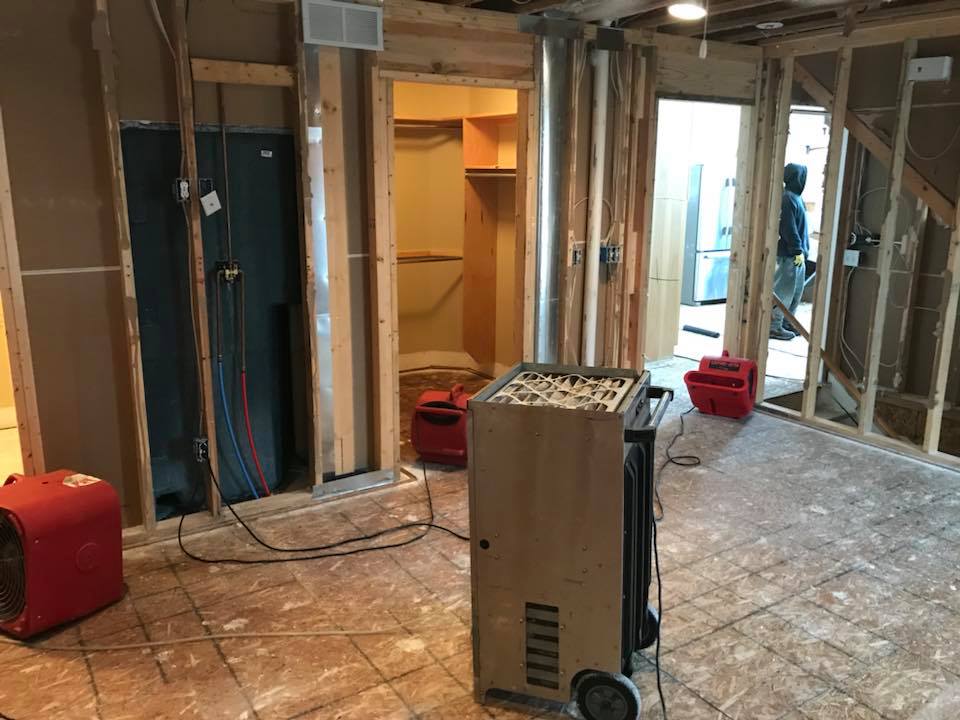
- Removing what can’t be saved: wet carpet pad, flood cuts in drywall, soaked insulation.
- Cleaning and antimicrobial on affected surfaces.
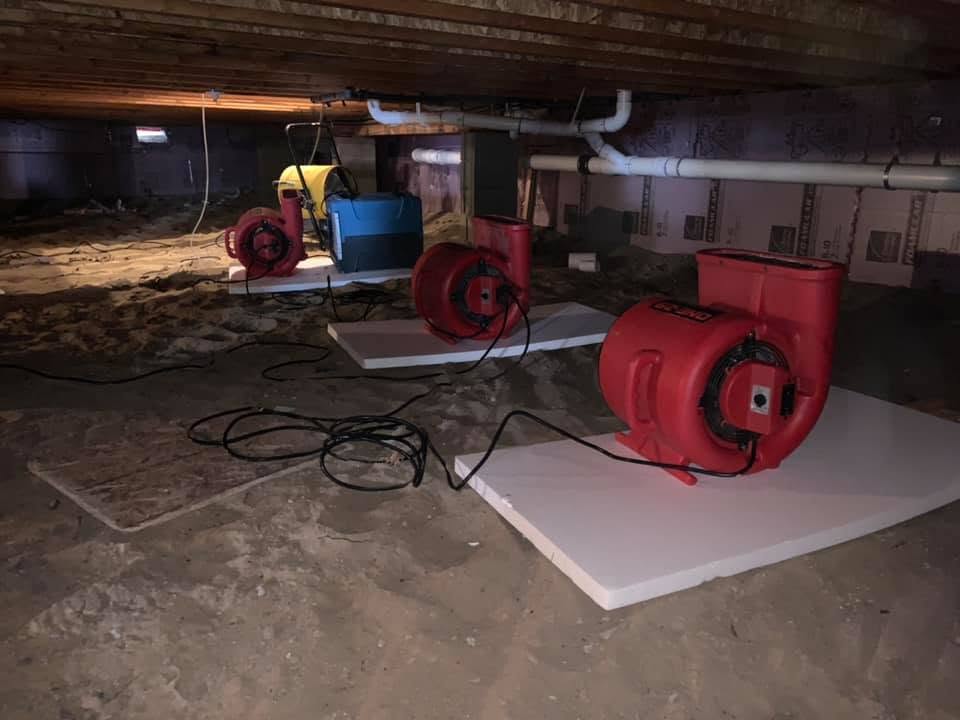
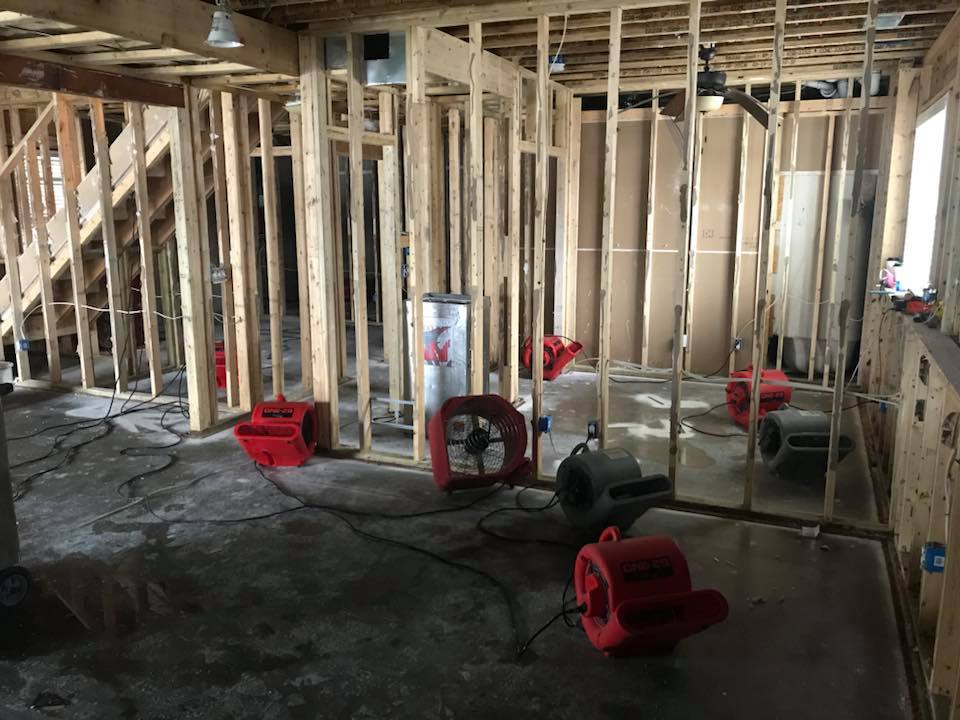
- Drying with Phoenix LGR and desiccant dehumidifiers and Phoenix air movers, plus Injectidry for hardwood floors.
- Monitoring with Protimeter moisture meters and hygrometers until the readings show dry.
- Documentation: photos, moisture maps and drying logs.
What Is Water Damage Restoration?
Restoration, sometimes called reconstruction or repairs, is putting your home back the way it was after everything is dry. That means new insulation and drywall, tape and paint, flooring, baseboards and trim, cabinets and countertops, doors and anything else that came out during mitigation. It starts once readings confirm the structure is dry and the repair scope is approved.
| Water mitigation | Water damage restoration | |
|---|---|---|
| Goal | Stop the damage and dry the structure | Put the home back the way it was |
| When | Right away, starting the day you call | After readings confirm the structure is dry |
| What happens | Extraction, removing wet materials, cleaning, drying and monitoring | Drywall, insulation, flooring, cabinets, paint and trim |
| Equipment and crews | Truck-mounted extractor, Flood Hogs, Phoenix dehumidifiers and air movers, Phoenix HEPA air scrubbers, FLIR thermal cameras and Protimeter meters | Carpentry, drywall, painting and flooring crews |
| Paperwork | Photos, moisture maps, daily readings and drying logs | A line-by-line repair estimate, your material choices and permits when needed |
| On an insurance claim | Often its own estimate | Often a separate estimate |
Why One Company for Both Makes It Easier
You can hire one company to dry it and another to rebuild it. Here’s why most homeowners find it easier when one company does both.
Repairs can start as soon as it’s dry, instead of waiting to find, schedule and brief a second contractor.
The same moisture readings, photos and documentation follow the job start to finish, for you and your adjuster.
The crew that opened it up knows exactly what came out and what has to go back in.
One local team in Fraser to call with questions, day or night.
Want to upgrade while the walls are open? See rebuild your way.
Our repair workmanship carries a 3-year warranty, and we’re a Michigan licensed builder and an IICRC Certified Firm.
How Insurance Often Handles Mitigation and Restoration
Many insurance companies handle mitigation and restoration as separate estimates. Mitigation is usually documented with drying logs, moisture readings and photos. Restoration is usually written as a line-by-line repair estimate. How your claim is handled depends on your insurer and your policy, so ask your agent.
- We document the damage and the drying every day.
- We write the repair estimate and meet your adjuster on site.
- We do the work and keep you updated as it moves along.
Paying out of pocket? See water damage cleanup without insurance and water damage restoration cost. More on our restoration process and whether homeowners insurance covers water damage.
From Water Damage to Finished: The Timeline
Questions to Ask Any Water Damage Company
Whoever you call, these questions tell you a lot:
- Are you an IICRC Certified Firm?
- Do you handle the rebuild too, or just the drying?
- Will I get moisture readings and drying logs?
- What equipment are you setting up, and how will you know it’s dry?
- Are you a licensed builder in Michigan?
- What warranty comes with the repairs?
- Who do I call with questions, and is that person local?
Our answers: yes, IICRC Certified Firm #70014686; yes, we rebuild; yes, you get the readings; Michigan licensed builder; 3-year workmanship warranty; and a local team in Fraser that answers 24/7.

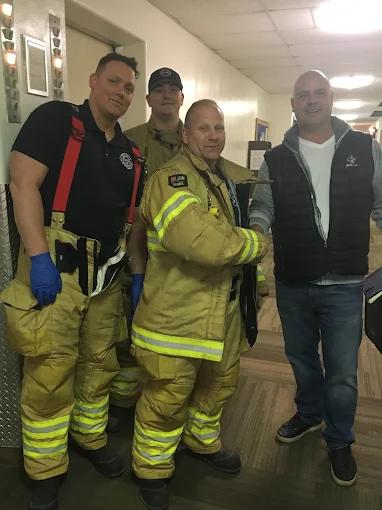
Meet the owner
Bryan Nowicki
Bryan has been in business since 1993, and in 2003 his own family’s home caught fire. He knows what the first days after a fire feel like, and he makes sure every family gets clear answers, fast help and a team that works directly with their insurance company.
If you have any questions or concerns, I’m here to help 24/7. I’d love to walk you through every one of your options so you can make the best decision for your home and your family.
— Bryan Nowicki, Owner
Local, family run, since 1993
Why Metro Detroit Homeowners Trust Select Restoration
Letting a company inside your home after a fire or flood takes trust. Here is what you can count on with us, and what our customers say about us.
What Happens When You Call
From Drying to Rebuild
Every job gets documented, from the first moisture reading to the final walkthrough.

Mitigation vs. Restoration Questions
What is the difference between water mitigation and restoration?
Water mitigation stops the damage and dries the structure: extraction, removing wet materials, drying and monitoring. Restoration rebuilds what was damaged or removed: drywall, insulation, flooring, cabinets, paint and trim.
What does water mitigation include?
Water extraction, removing materials that can’t be saved like wet pad and insulation, cleaning and antimicrobial, setting up dehumidifiers and air movers, daily moisture readings and documentation for your claim.
How long does water mitigation take?
It depends on how much water there was and what got wet. Equipment stays until moisture readings show the structure is dry, not until a set number of days has passed.
Do I always need both mitigation and restoration?
Not always. A small clean-water leak caught early can sometimes be dried with nothing removed. Most larger water losses need both, because something wet has to come out and then go back in.
Does insurance pay for water mitigation?
When the water damage itself is covered, mitigation is often part of the claim. Most policies also ask you to take reasonable steps to prevent further damage. Your own policy decides, so check with your agent.
Can I use a different company for the rebuild?
Yes. It’s your home and your choice. Using one company for both keeps the documentation consistent and avoids a gap between drying and repairs.
Why are mitigation and restoration on separate estimates?
Many insurers handle them separately. Mitigation is usually supported by drying logs, moisture readings and photos, and restoration by a line-by-line repair estimate.
When does restoration start?
Once moisture readings confirm the structure is dry and the repair scope is approved. Closing up walls or laying new flooring too early can trap moisture.