


After an Electrical Fire: Do This First
Do this now
- Get everyone out and call 911. Let the fire department check inside the walls and ceiling with their thermal cameras, even if the fire seems out.
- Leave the power off to the damaged area until a licensed electrician has inspected the wiring and the panel.
- Take photos and video of the outlet, fixture, appliance or panel where it started, and every room with smoke.
- Call your insurance agent and get a claim number started.
- Call us at 810-523-0034. We secure the house, protect what didn’t burn and set up temporary heat and power while the electrical is out.
Don’t
- Don’t keep resetting a breaker that trips. It’s telling you something is wrong.
- Don’t turn the power back on yourself, even if the lights look fine.
- Don’t run the furnace fan or box fans. They push fine soot deeper into the house.
- Don’t wipe soot off walls, outlets or electronics. The residue from burned wire insulation is sticky and smears.
- Don’t throw out damaged belongings or the appliance that failed. Your adjuster may want to see them.
Why Electrical Fires Are Different
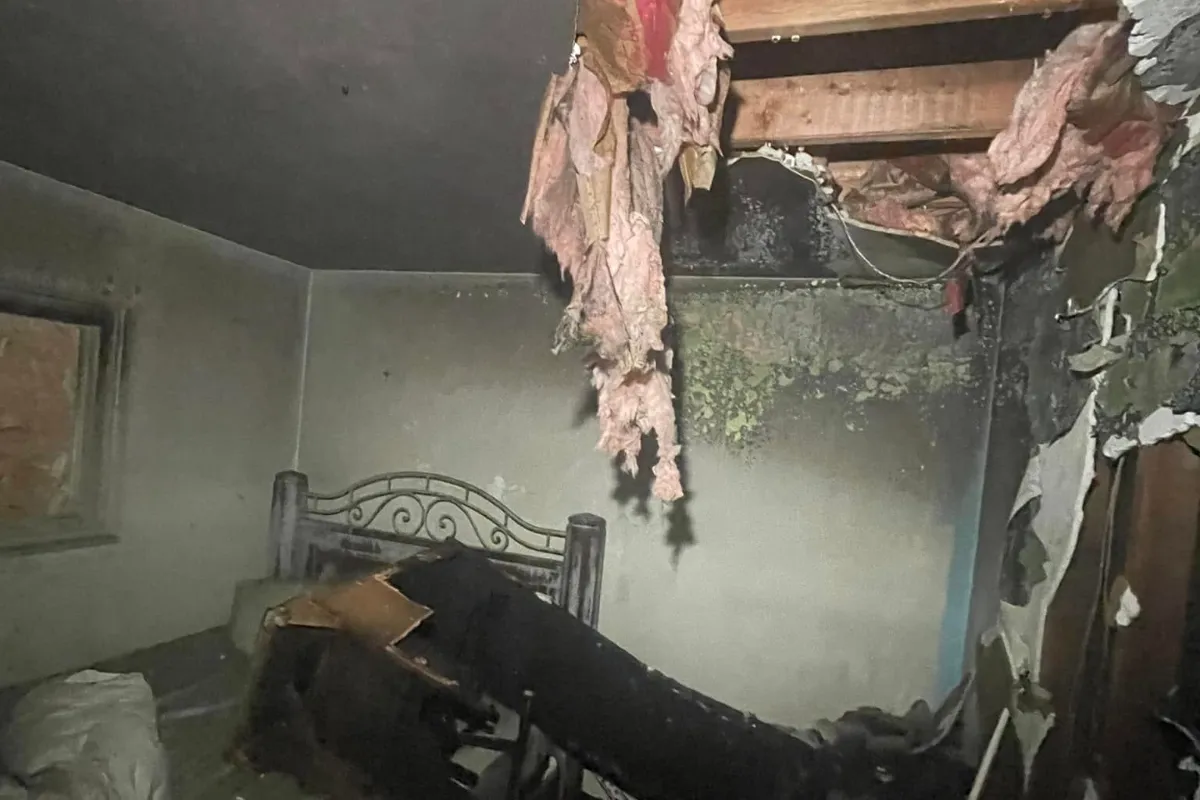
They spread where you can’t see. A fire that starts at a loose connection or an overheated wire can travel through the wall cavity, up into the ceiling joists and the attic insulation before anyone smells smoke. The wall you can see might have a small burn mark while the framing behind it is charred.
The soot is harder to clean. Wire insulation, outlet boxes, light fixtures and appliances are mostly plastic. Burned plastic leaves a heavy, sticky, acidic residue that stains faster than wood smoke and holds onto odor. It needs the right cleaning method, not just a wipe-down.
The power stays off longer. The damaged circuits have to be repaired and often inspected before power comes back. In a Michigan winter, that means no furnace, no sump pump and a real chance of frozen pipes unless someone plans for it.
Permits come into it. Rewiring after a fire usually needs an electrical permit and an inspection. We coordinate the schedule so drywall doesn’t go up before the inspector has signed off. More on permits and inspections after a fire.
Common Sources and What We Usually Find
| Where it started | What we usually find |
|---|---|
| Overloaded outlet or extension cord | Charred wall cavity behind the outlet, smoke in the room, soot carried into the next room through the wall |
| Electrical panel or breaker | Damage in the basement or utility area, smoke through the whole house, power off until the panel is replaced |
| Light fixture or ceiling fan | Burned ceiling drywall, scorched joists, damaged attic insulation above the fixture |
| Older or damaged wiring inside a wall | Hidden charring along the wire run, discoloration and soot at other outlets and switches on the same circuit |
| Dryer, dishwasher, microwave or other appliance | Kitchen or laundry room damage, heavy plastic soot, water from firefighting in the floors below |
What We Handle After an Electrical Fire
Broken windows and forced doors get covered right away, and we can change the locks. See emergency board-up.
When the power is off for repairs, we set up temporary heat and power to protect the plumbing and the rest of the house.
We remove the burned and smoke-filled drywall, insulation and framing so the full extent of the damage is visible to you, the electrician and the adjuster.
Plastic soot gets cleaned with the right method for each surface. More on smoke damage cleanup.
Air scrubbers during the work, then hydroxyl generators or thermal fogging to reach smoke inside the framing. See odor removal.
Belongings get inventoried, packed out and cleaned, and damaged items are documented for the claim. See contents cleaning.
Licensed electricians work with our company as subcontractors. They inspect and repair the damaged circuits and the panel, and they can megger test the wiring to find insulation damage you can’t see. Rough-in and city inspections happen before we close the walls.
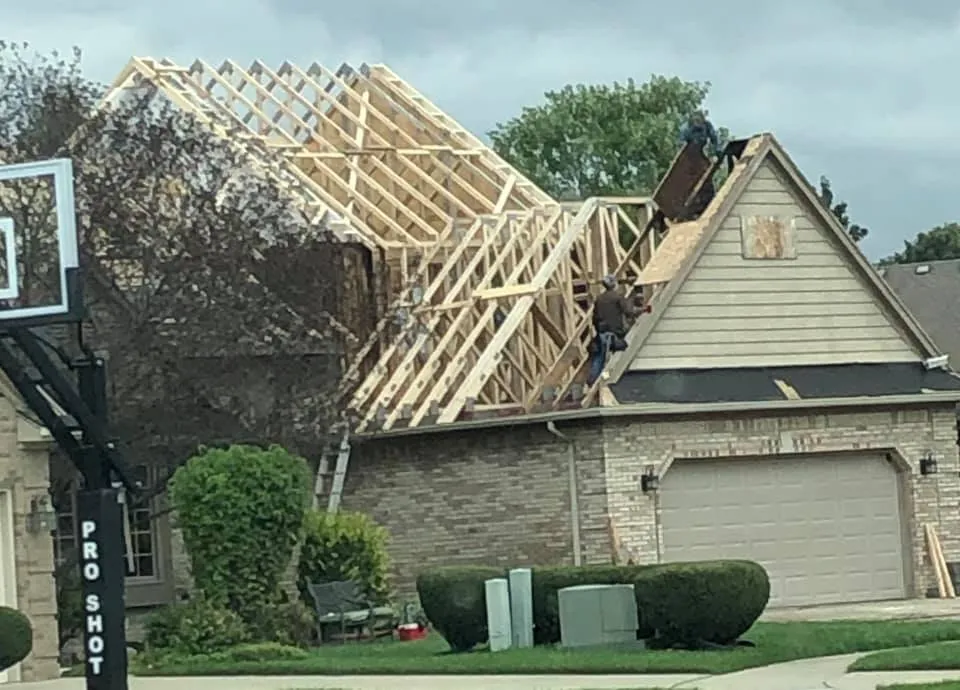
As a Michigan licensed builder (#2102185156), we pull permits and rebuild framing, drywall, ceilings and finishes, with a 3-year workmanship warranty. See fire damage reconstruction.
Does Insurance Cover an Electrical Fire?
Usually, yes. Fire and smoke damage are covered under most standard homeowners and commercial property policies. The gray areas are the item that failed and code upgrades. Your own policy decides, so check each item with your agent.
| Type of damage | Usually |
|---|---|
| Fire and smoke damage to the house from an electrical fire | Covered as fire, minus your deductible |
| Water damage from the fire department | Usually covered along with the fire |
| The appliance or wiring that failed | Often not covered when it’s wear and tear; the damage it caused usually is |
| Bringing old wiring up to current code during repairs | Only if your policy has ordinance or law coverage, and only up to its limit |
| Spoiled food while the power was off | Some policies cover it, often with a small limit |
| Hotel and meals while you can’t live at home | Often covered under additional living expense |
How We Help With the Claim
We document the damage with photos, moisture readings and notes, write a line-by-line estimate in Xactimate (the same pricing software most adjusters use), meet the adjuster at the property and do the repairs. Your claim itself stays between you and your insurance company. If your deductible is a concern, ask about our $500 Upgrade Credit. More on the insurance restoration process. Questions about your insurer can go to Michigan DIFS at 877-999-6442.
What Happens When You Call
Signs of Hidden Damage
Electrical fires are the most likely kind to leave damage behind that nobody found the first time. After the fire, watch for:
- A smoke smell that comes back on warm or humid days.
- Soot smudges around outlets and switch plates in rooms that didn’t burn.
- Paint that bubbles, yellows or cracks on a wall near where the fire started.
- Breakers tripping on circuits that weren’t part of the original fire.
If you’re already in a repair with another company and something doesn’t look right, ask us for a free second opinion.

Meet the owner
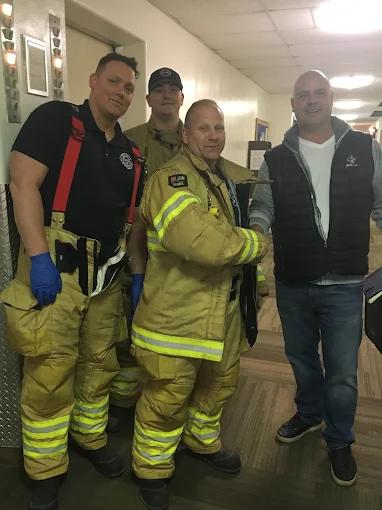
Bryan Nowicki
Bryan has been in business since 1993, and in 2003 his own family’s home caught fire. He knows what the first days after a fire feel like, and he makes sure every family gets clear answers, fast help and a team that works directly with their insurance company.
If you have any questions or concerns, I’m here to help 24/7. I’d love to walk you through every one of your options so you can make the best decision for your home and your family.
— Bryan Nowicki, Owner
Local, family run, since 1993
Why Metro Detroit Homeowners Trust Select Restoration
Letting a company inside your home after a fire or flood takes trust. Here is what you can count on with us, and what our customers say about us.
What Happens When You Call
Our Crews at Work
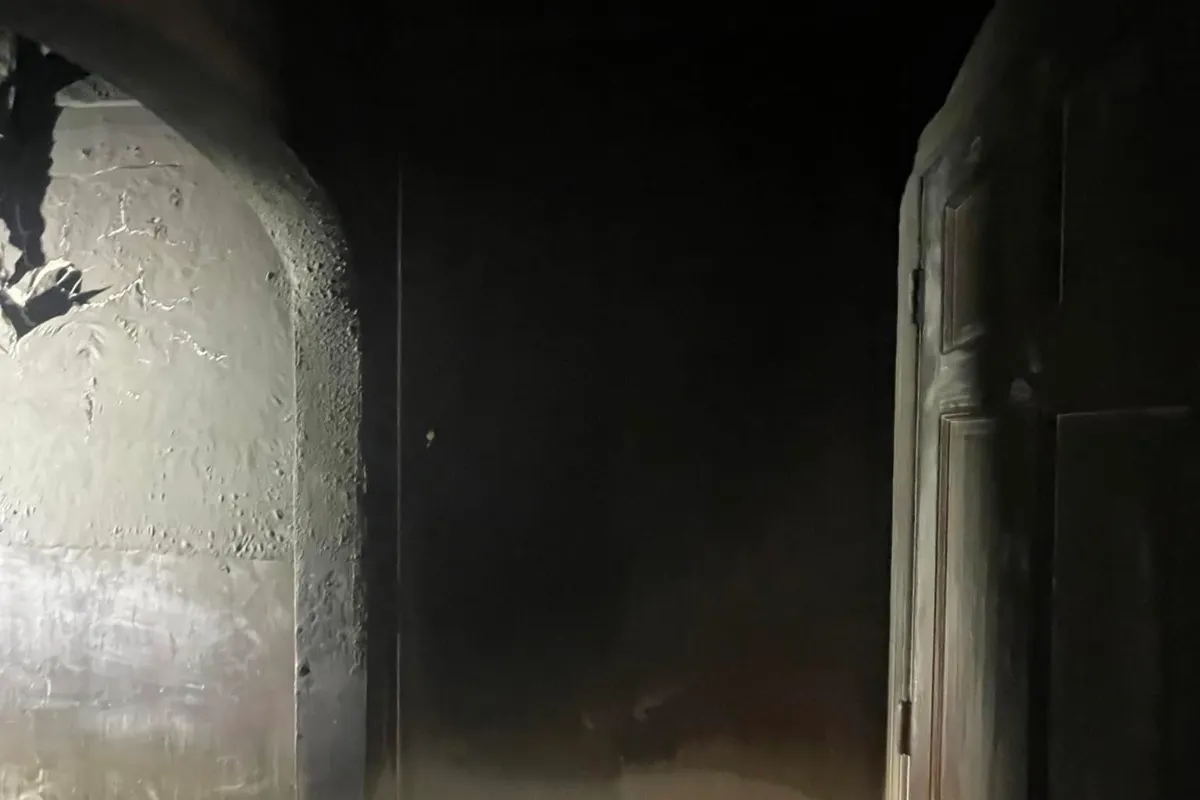
Our own crews, our own photos. Every fire job gets the same start-to-finish attention.

Electrical Fire Questions
Does homeowners insurance cover electrical fire damage?
Usually, yes. Most standard policies cover fire and smoke damage caused by an electrical short or overloaded circuit. The wiring or appliance that failed may not be covered if it was wear and tear, and code upgrades are usually only covered with ordinance or law coverage. Your own policy decides, so check it with your agent.
Can I turn the power back on after an electrical fire?
Not until a licensed electrician has inspected the damaged circuits and the panel. Turning it back on early can start a second fire. We can set up temporary heat and power so the house is protected in the meantime.
Why does an electrical fire smell worse than other fires?
Most of what burns in an electrical fire is plastic, like wire insulation, outlet boxes and appliance housings. Burned plastic leaves a sticky, acidic soot with a strong odor that soaks into drywall and framing. It takes the right cleaning and deodorizing to get it out.
Do you do the electrical repairs?
Yes. The licensed electricians who work with our company as subcontractors inspect and repair the damaged wiring and panel, and our crews handle the fire, smoke and water cleanup and the rebuild. Inspections happen before the walls are closed.
How do I know if the fire spread inside my walls?
Look for soot around outlets and switches, bubbling paint, or a smell that keeps coming back. We use moisture readings, thermal imaging and selective demolition to see how far the fire and smoke traveled before we rebuild.
Can we stay in the house during repairs?
Sometimes, if the damage is limited and the power and heat can be restored to the rest of the house. If not, many policies cover hotel and meals under additional living expense. We’ll tell you honestly what to expect after the first walk-through.