


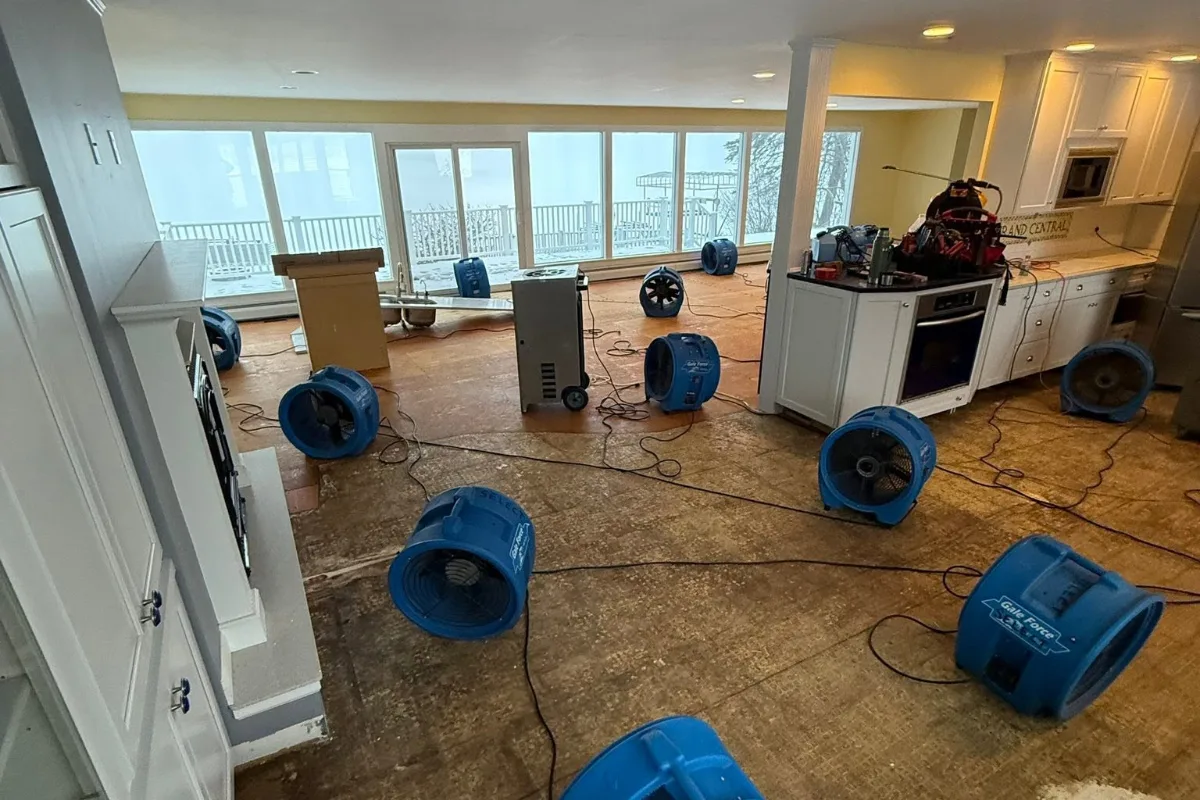
Water on Your Hardwood Floor? Do This First
Do this now
- Stop the water at the main shutoff or the appliance valve.
- Soak up standing water with towels or a wet vac right away.
- Move rugs and furniture off the wet floor. Wet furniture legs can stain the wood.
- Take photos of the floor, the edges of the boards and any cupping.
- Call us at 810-523-0034 and your insurance agent.
Don’t
- Don’t cover the wet floor with a rug, plastic or cardboard.
- Don’t sand, nail or screw down boards that are starting to cup.
- Don’t crank the heat to dry it fast. Drying wood too fast can crack it.
- Don’t pull up boards before they are photographed and measured. Your adjuster may want to see them.
- Don’t wait. The longer wood stays wet, the more it swells.
Cupping, Crowning and Buckling: What Your Floor Is Telling You
Cupping is when the edges of each board rise higher than the center. It means the bottom of the board is wetter than the top, usually because water got under the floor or into the subfloor. Cupping often settles down a lot once the floor and subfloor are properly dried.
Crowning is the opposite: the center is higher than the edges. It often happens when a cupped floor gets sanded flat before it was dry, and then the boards shrink as they finish drying. That is why we never sand until the readings say dry.
Buckling is when boards lift right off the subfloor. It takes a lot of water and usually means some boards need replacing, though not always the whole floor.
Dark stains around nails and seams often mean water sat on or under the wood for a while.

Which Floors Can Be Saved?
| Floor type | Can it be dried in place? | What we usually do |
|---|---|---|
| Solid hardwood | Often, if we get to it fast and the water was clean | Injectidry drying, then sand and refinish once the readings are back to normal |
| Engineered hardwood | Sometimes. It depends on the core and how long it was wet | Dry and monitor it; if the layers start to separate, it gets replaced |
| Laminate | Rarely. The fiberboard core swells and does not go back | Remove it so the subfloor underneath can dry |
| Luxury vinyl plank (LVP) | The vinyl handles water well, but water trapped underneath has to come out | Lift planks where needed so the subfloor can dry, then reinstall or replace |
| Any floor touched by sewage or dirty water | Usually no | Remove it and clean and dry the subfloor. See clean, gray and black water |
How Injectidry Hardwood Floor Drying Works
Injectidry is the floor drying system we use on hardwood. It works together with the rest of our drying setup.
Drying panels or mats are sealed onto the floor and connected by hoses to a vacuum unit that pulls moisture up out of the boards and the seams between them.
The air in the room has to be dry, or the wood just trades moisture back and forth with it. Phoenix LGR or desiccant dehumidifiers keep the air dry, and desiccant units help with dense wood and cold rooms.
Air movers sweep the rest of the room so the walls, trim and baseboards dry along with the floor.
We read the boards and the subfloor every day and compare them to a dry part of the same floor. See moisture mapping.
When water reached the subfloor or soaked a finished basement ceiling below, we dry that side as well.
Once the readings match, the floor can be sanded and refinished. Sanding too early is what causes crowning.
Is Hardwood Water Damage Covered by Insurance?
If the water came from something sudden and accidental, like a burst pipe, a failed dishwasher line or an overflowing toilet, many policies cover the drying and, when needed, repair or replacement. Slow leaks, seepage and damage that built up over time often are not covered. Your own policy decides, so check with your agent.
Matching matters too. If part of a floor has to be replaced, the new boards need to blend with the old ones. How that is handled depends on your policy, so ask your agent about it early.
How We Help With the Claim
We document the floor with photos, Protimeter readings and daily drying logs, write a line-by-line estimate in Xactimate (the same pricing software most adjusters use), meet the adjuster at the property and do the repairs. Your claim itself stays between you and your insurance company. More on whether insurance covers water damage and the insurance restoration process. Questions about your insurer can go to Michigan DIFS at 877-999-6442.
How We Save Hardwood Floors
Why Timing Matters With Hardwood
Wood soaks up water quickly. The sooner the standing water is out and drying starts, the better the chance of saving the floor. A floor that sits wet for days is much more likely to buckle, stain or grow mold underneath.
If you see cupping starting, don’t wait to see if it goes away by itself. Call 810-523-0034.
Water came through to the ceiling below? See ceiling water damage repair.

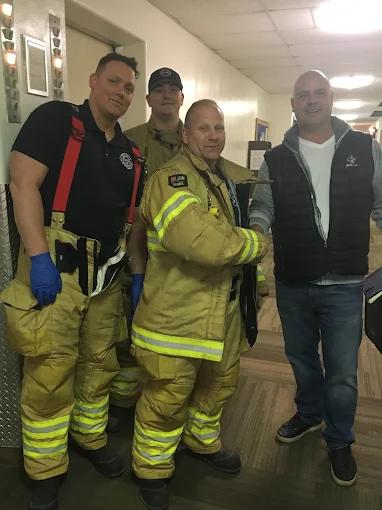
Meet the owner
Bryan Nowicki
Bryan has been in business since 1993, and in 2003 his own family’s home caught fire. He knows what the first days after a fire feel like, and he makes sure every family gets clear answers, fast help and a team that works directly with their insurance company.
If you have any questions or concerns, I’m here to help 24/7. I’d love to walk you through every one of your options so you can make the best decision for your home and your family.
— Bryan Nowicki, Owner
Local, family run, since 1993
Why Metro Detroit Homeowners Trust Select Restoration
Letting a company inside your home after a fire or flood takes trust. Here is what you can count on with us, and what our customers say about us.
What Happens When You Call
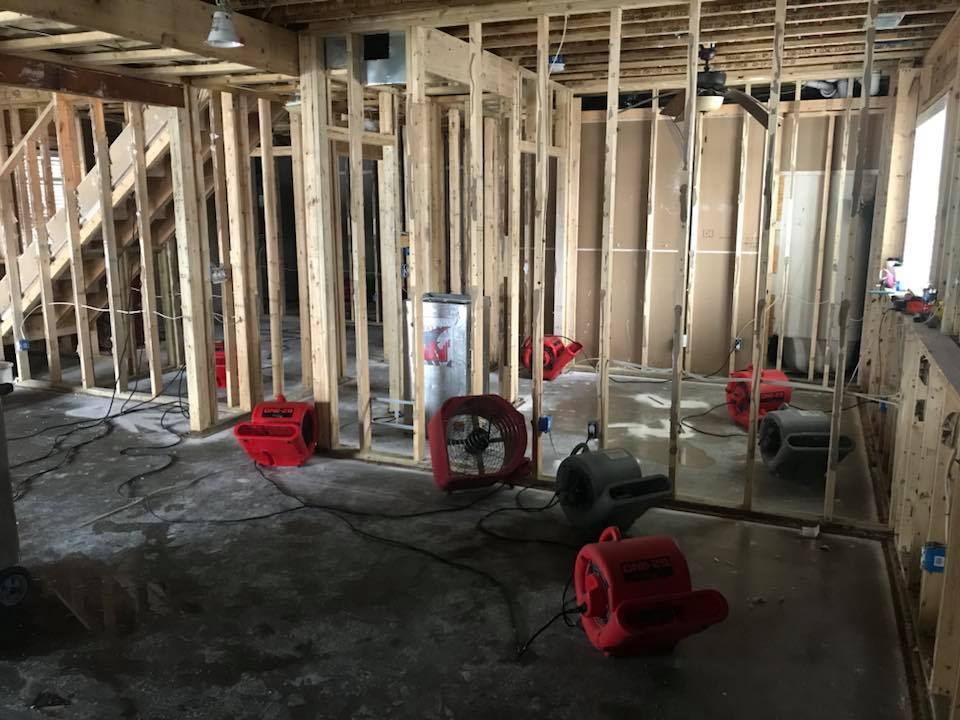
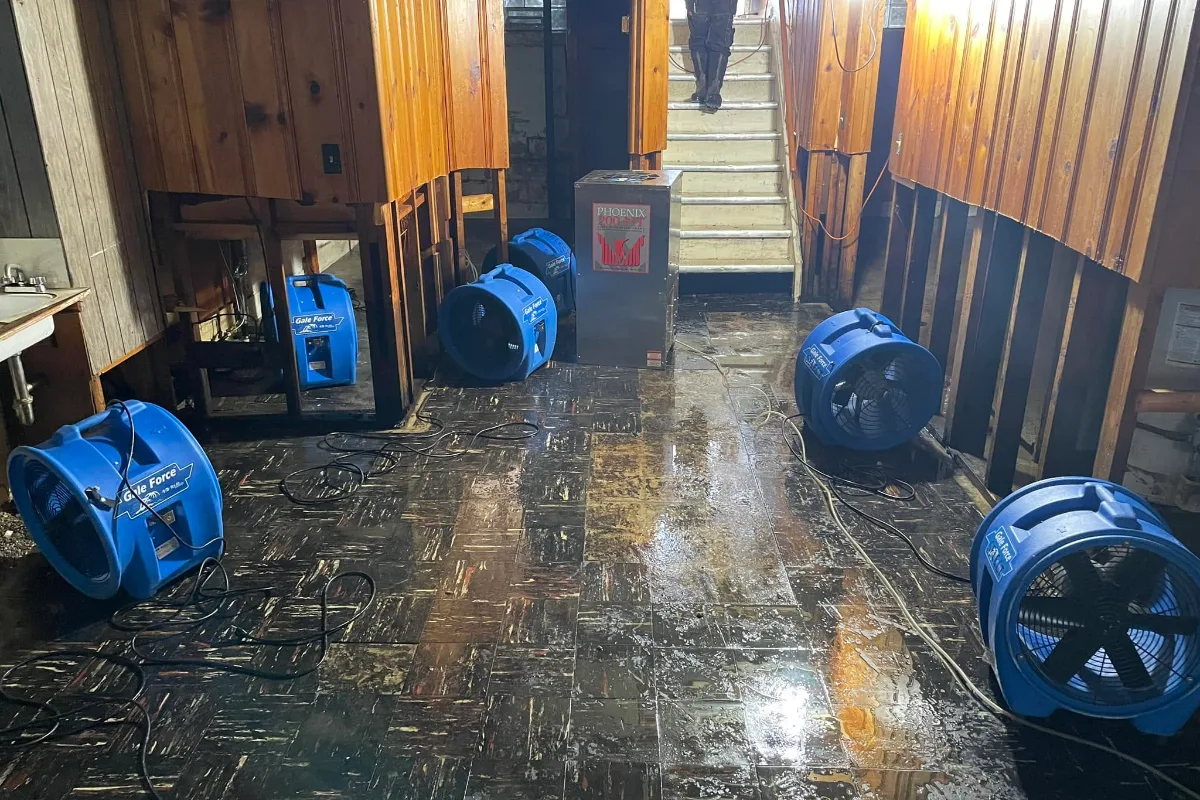
Our Crews at Work
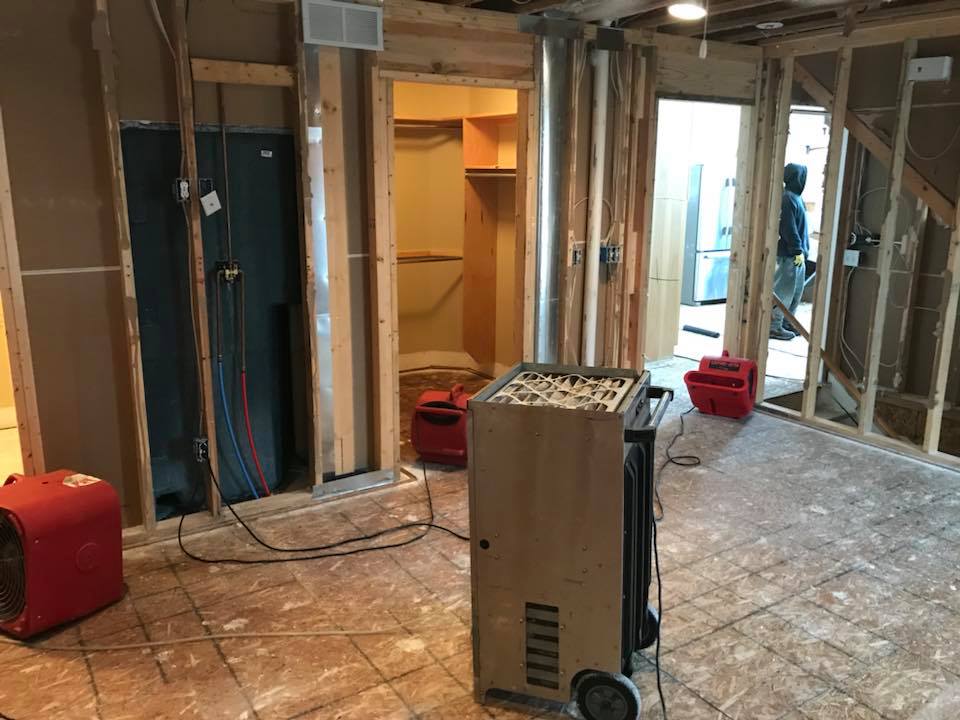
Our own crews, our own equipment. Every floor gets measured before, during and after drying.
Hardwood Floor Water Damage Questions
Can hardwood floors be saved after water damage?
Often, yes, if the water was clean and drying starts fast. Solid hardwood has the best chance. Engineered hardwood sometimes can be saved, and laminate usually cannot. We take Protimeter readings of the boards and the subfloor and tell you honestly what can be saved.
How long does it take to dry a hardwood floor?
Longer than carpet or drywall. Wood gives up moisture slowly, so hardwood can take anywhere from several days to a couple of weeks, depending on how wet it got, the type of wood and the subfloor. Our daily readings decide.
Will cupped hardwood go back to flat?
It often improves a lot once the floor and subfloor are properly dried. Some floors still need sanding and refinishing afterward. Sanding before the floor is dry can cause crowning.
What is Injectidry?
A floor drying system that uses panels and mats connected to a vacuum to pull moisture up out of hardwood floors and the subfloor, so floors can be dried in place instead of torn out.
Should I pull up the wet hardwood myself?
No. Pulling it up early can throw away a floor that could have been saved, and your adjuster may want to see it first. Get readings and photos before anything comes up.
Can laminate flooring be dried?
Usually not. The fiberboard core swells when it gets wet and does not go back. We usually remove it so the subfloor underneath can dry.
Does insurance cover hardwood floor water damage?
When the water came from something sudden and accidental, like a burst pipe, many policies cover the drying and needed repairs. Slow leaks and long-term damage often are not covered. Your own policy decides, so check with your agent.