


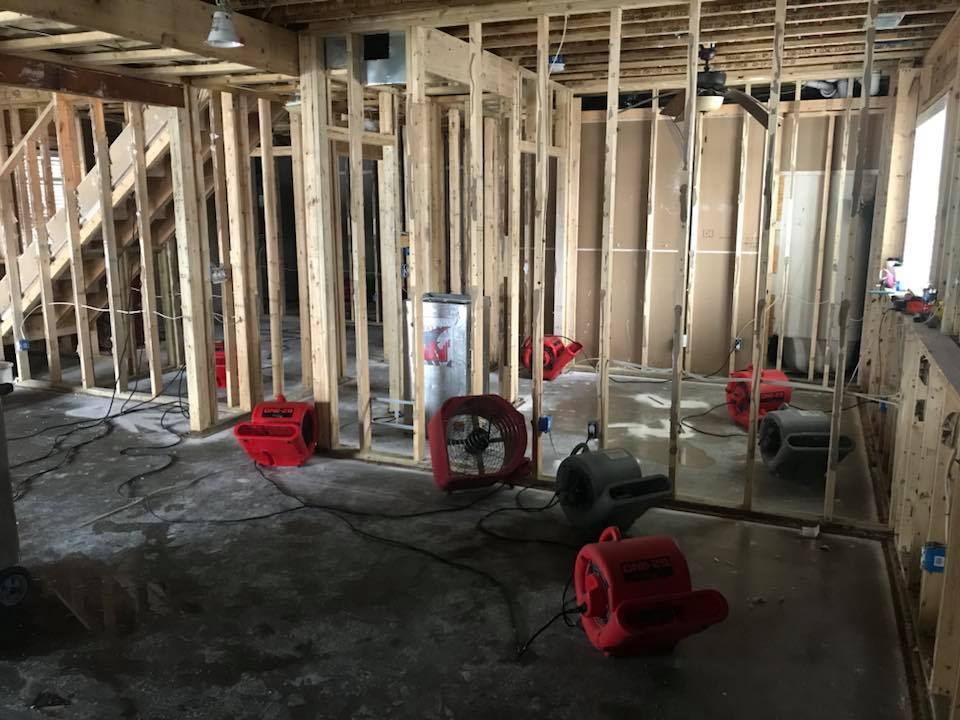
Think You Have Hidden Water Damage? Do This First
Do this now
- Shut off the water at the main valve if you can see or hear a leak.
- Turn off power to wet rooms at the breaker, but only if you can reach the panel without standing in water.
- Take photos of stains, bubbling paint, swollen trim and anything wet.
- Call your insurance agent if the damage was sudden, like a burst pipe or a failed supply line.
- Call us at 810-523-0034 for a thermal scan and moisture readings.
Don’t
- Don’t start cutting open walls to go looking for the water.
- Don’t assume a stain is old and dry. The surface can look dry while the drywall behind it is soaked.
- Don’t paint over a water stain. It hides the problem and the stain usually comes back.
- Don’t count on box fans. They dry the surface and leave the water inside the wall.
- Don’t wait. Wet drywall, insulation and wood can start growing mold within a couple of days.
How Thermal Imaging Finds Water You Can’t See
A FLIR camera doesn’t see water. It sees temperature. When water soaks into drywall, plaster, insulation or flooring, it evaporates and cools the material, so wet areas show up as cooler patches on the screen. On a thermal image, a leak often looks like a dark stain running down a wall, spreading across a ceiling or fanning out under a floor.
We never trust the camera alone. Cold air leaks, missing insulation, ductwork and even a sunny window can look like water on a thermal image. Every suspicious spot gets checked with our Protimeter Surveymaster moisture meter before we call it wet. That’s the difference between finding the real problem and guessing.
That means fewer holes in your house. Instead of opening walls to look around, we only remove what is actually wet and can’t be dried in place. See how we map moisture and track drying.

What a Thermal Scan Can Find
| Where water hides | Signs you might notice | What the scan shows |
|---|---|---|
| Inside walls, behind drywall or plaster | Bubbling paint, swollen baseboard, a musty smell | How high the water wicked up and how far it spread along the wall |
| Ceilings under bathrooms, ice dams or roof leaks | A brown stain, sagging drywall, drips at a light fixture | The full wet area above the stain, which is often much bigger than the stain |
| Under carpet, hardwood, laminate or tile | Soft spots, cupped boards, loose or hollow-sounding tile | Where water traveled under the flooring and into the subfloor |
| Basement walls and floors | Damp carpet edges, white chalky lines, a smell after rain | Seepage lines, wet bottom plates and wet drywall behind finished walls |
| Around tubs, showers, dishwashers and refrigerators | Loose tile, a stained cabinet floor, warped trim | Slow leaks that have been soaking in for weeks |
| Exterior walls and windows | Stains under windows, peeling trim | Water getting in around windows, doors and siding |
Thermal Imaging vs. Leak Detection: Who Does What
People searching for water leak detection usually need two things: someone to find where the water went, and someone to fix the pipe. Here is how it works with us.
Our FLIR thermal cameras and Protimeter meters show where the water traveled and how far it spread, so drying and repairs cover all of it.
The wet pattern usually points straight at the source: a supply line, a drain, a toilet wax ring, roof flashing or a window. We show you what we found.
A leaking pressurized water line inside a wall or under a slab needs a licensed plumber. If you don’t have one, we’ll help you line one up. Roof leaks go to our sister company, Select Installs.
Phoenix air movers and dehumidifiers dry the wet materials, and we check them with the meter every day until they’re dry. See structural drying and the equipment we bring.
Thermal images, moisture readings and photos go into a record your adjuster can follow, room by room.
As a Michigan licensed builder (#2102185156), we replace the drywall, insulation, trim and flooring that couldn’t be saved, with a 3-year workmanship warranty.
Thermal Images Help Your Insurance Claim
Sudden and accidental water damage, like a burst pipe or a failed supply line, is covered under many homeowners policies. Long-term leaks, seepage and wear and tear often are not. Your own policy decides, so check with your agent.
Either way, a clear record matters. A thermal image next to a moisture reading shows the adjuster what was wet, where it was, and when we found it. Our daily readings then show when the materials were dry again.
How We Help With the Claim
We document the damage with photos, thermal images, moisture readings and notes, write a line-by-line estimate in Xactimate (the same pricing software most adjusters use), meet the adjuster at the property and do the repairs. Your claim itself stays between you and your insurance company. More on whether insurance covers water damage and the insurance restoration process. Questions about your insurer can go to Michigan DIFS at 877-999-6442.
What Happens During a Thermal Scan
Signs You Should Get a Scan
- A water stain on a ceiling or wall, even an old-looking one.
- Paint that bubbles, peels or looks wavy.
- Baseboard, trim or door casing that is swelling or separating.
- A musty smell you can’t trace.
- Floors that feel soft, boards that are cupping, or tile that sounds hollow.
- Any leak, overflow or burst pipe, even if you already mopped it up.
Already had a leak dried by another company and something still seems off? Ask for a free second opinion.

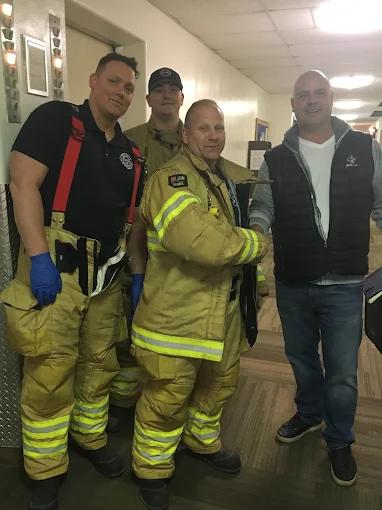
Meet the owner
Bryan Nowicki
Bryan has been in business since 1993, and in 2003 his own family’s home caught fire. He knows what the first days after a fire feel like, and he makes sure every family gets clear answers, fast help and a team that works directly with their insurance company.
If you have any questions or concerns, I’m here to help 24/7. I’d love to walk you through every one of your options so you can make the best decision for your home and your family.
— Bryan Nowicki, Owner
Local, family run, since 1993
Why Metro Detroit Homeowners Trust Select Restoration
Letting a company inside your home after a fire or flood takes trust. Here is what you can count on with us, and what our customers say about us.
What Happens When You Call
Our Crews at Work
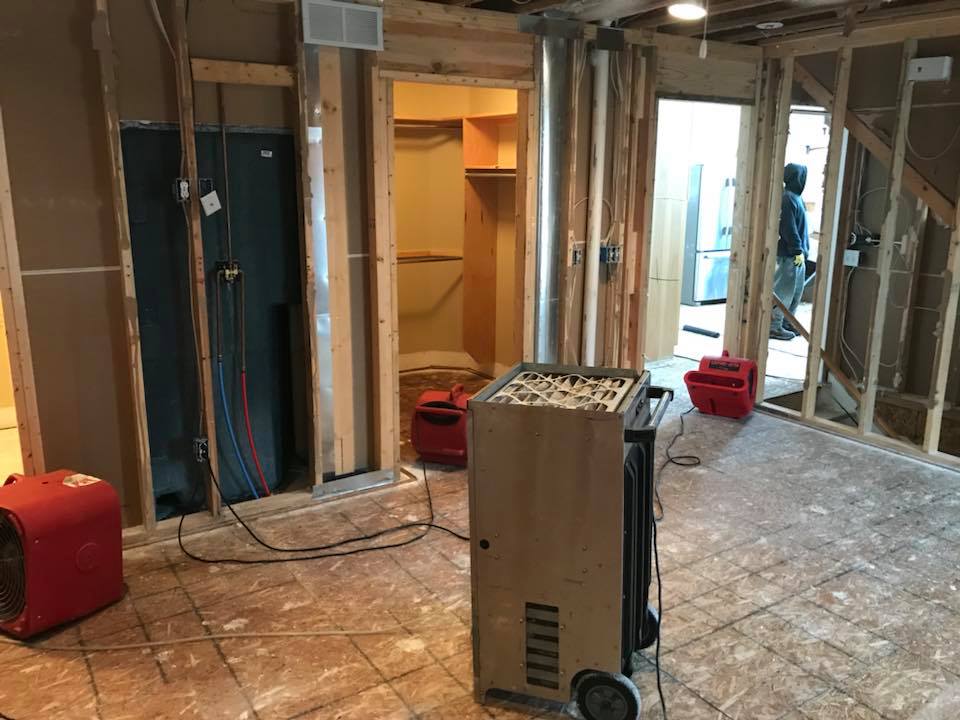
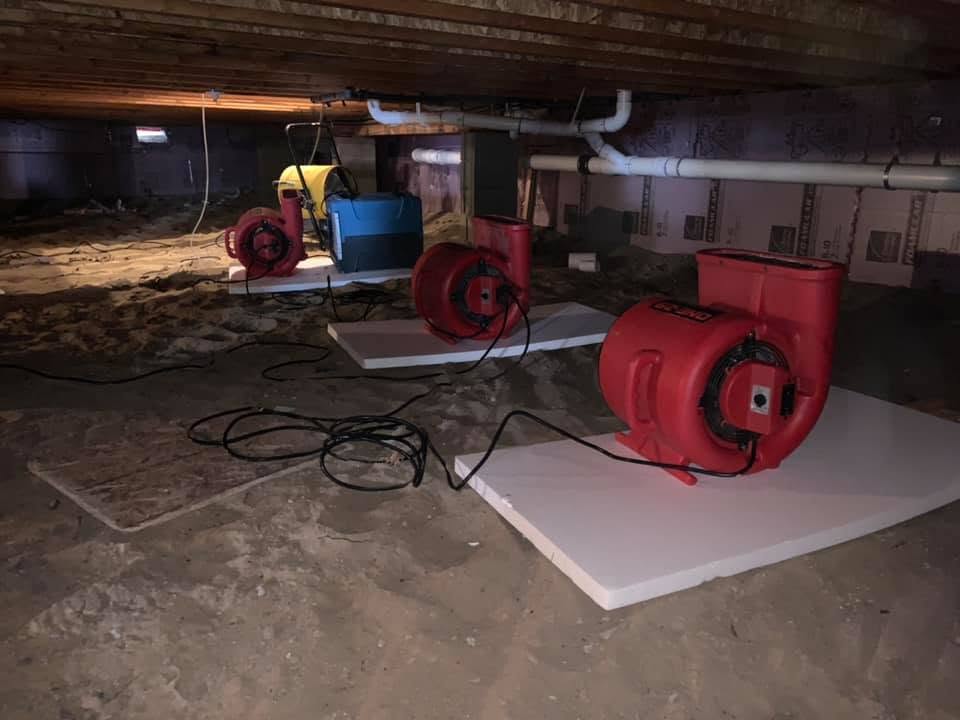
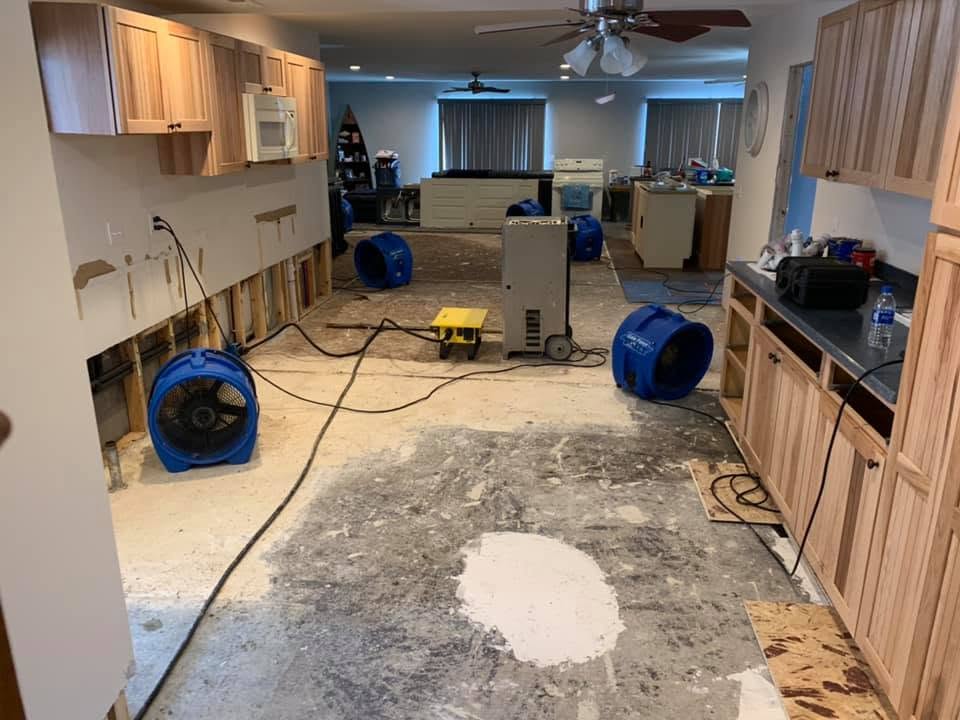
Our own crews, our own photos. Every water job gets moisture readings before, during and after drying.
Thermal Imaging Questions
Can a thermal camera see water inside walls?
Not directly. A thermal camera sees temperature. Wet drywall, plaster and insulation are usually cooler than dry material because the water is evaporating, so wet areas show up as cool patterns. We confirm every one with a moisture meter before calling it wet.
Do you have to cut holes in my walls to find the water?
Usually not to find it. The FLIR camera and the Protimeter meter let us map the wet area through the surface. If drywall or insulation is too wet or too contaminated to dry in place, we remove only that section.
Is thermal imaging the same as water leak detection?
They overlap. Thermal imaging shows where the water went and usually points to the source. If the source is a pressurized pipe inside a wall or under a slab, a licensed plumber repairs it. We find and dry the damage and can help you line up a plumber.
Can thermal imaging find mold?
No. A thermal camera can find the moisture mold needs, but it cannot see mold itself. If we suspect mold, testing and remediation go through our trusted partner.
How long does a thermal scan take?
It depends on how big the wet area is. We scan during our first visit and walk you through what we found before any work starts.
Does insurance pay for a thermal scan?
When the water damage itself is covered, the inspection and documentation are usually part of the mitigation work on the claim. Coverage depends on your policy, so check with your agent.
My walls look dry but the room smells musty. Should I get a scan?
Yes. A musty smell with no visible damage is one of the best reasons for a scan. Slow leaks behind walls and under floors can go unnoticed for weeks. We will check with the camera and the meter and tell you honestly if it is dry.