


Think There’s Water in Your Wall? Do This First
Do this now
- Stop the source if you can see it. Shut the valve under the sink or toilet, or the main shutoff if you can’t tell where it’s coming from.
- Turn off the breaker for outlets and switches on the wet wall.
- Take photos of the stains, bubbling paint, swollen baseboards and anything else that looks off.
- Pull furniture and belongings away from the wall so air can get to it.
- Call us at 810-523-0034. We find exactly where the water is before anything gets cut open.
Don’t
- Don’t paint over the stain. It will bleed through, and the wall behind it stays wet.
- Don’t start cutting big holes looking for the leak. A thermal camera and a moisture meter find it with far less damage.
- Don’t plug anything into an outlet on a wall that’s wet.
- Don’t patch, caulk or re-tile until the wall cavity is dry.
- Don’t ignore a musty smell. It’s often the first sign of water you can’t see.
Signs of Water Damage in Walls
Water inside a wall cavity rarely shows up all at once. Watch for these early signs of water damage in walls, especially on walls with plumbing behind them or on exterior walls.
Yellow or brown stains, often with a darker ring at the edge, that slowly get bigger.
Paint or wallpaper that bubbles, blisters or peels as water pushes through the drywall.
Drywall that feels soft, crumbles at the bottom or bows out between studs.
Baseboards and trim that swell, split or pull away from the wall.
An earthy, damp smell in one room or one corner that doesn’t go away.
Dark spots at the bottom of a wall, behind furniture or inside a closet.
A bill that jumps, or a water meter that keeps moving with everything in the house turned off.
Hardwood cupping, loose tile or damp carpet along the bottom of a wall.
What Causes Water Damage Inside Walls
Most water damage in walls starts with something you can’t see.
- Leaking pipes in the wall: pinhole leaks, loose fittings and failed drain joints.
- Showers and tubs: worn grout, cracked tile and leaking shower valves soak the wall behind them.
- Toilets, sinks and appliances: supply lines, wax rings, washing machine hoses and fridge ice-maker lines.
- Frozen pipes in exterior walls during a Michigan cold snap. See frozen and burst pipes.
- Windows and doors with failed flashing or caulk.
- Ice dams and attic frost that run down inside the wall. See attic frost and ceiling stains.
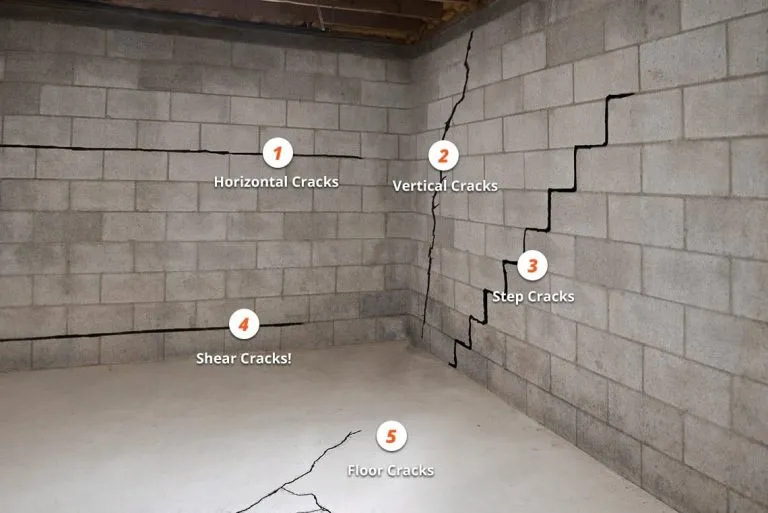
- Basement walls: foundation cracks, groundwater and window well flooding.
How We Find Water Inside Walls Without Tearing Them Open
Guessing costs you drywall. We measure instead.
| Tool | What it tells us |
|---|---|
| FLIR thermal cameras | Water cools the wall as it evaporates, so wet areas show up as cooler patches on the thermal image. It shows us where to look. |
| Protimeter Surveymaster moisture meters | A non-invasive scan reads moisture behind the paint, and pin mode measures the moisture content inside the drywall and the wood framing. |
| Hygrometers | Measure the temperature and humidity in the room so we can set up the right drying. |
We mark the wet areas on photos and a moisture map for you and your adjuster. More on thermal imaging and moisture mapping.
Dry It in Place or Cut It Open?
Not every wet wall needs to come out. Here’s how we usually decide.
| What we find | What we usually do |
|---|---|
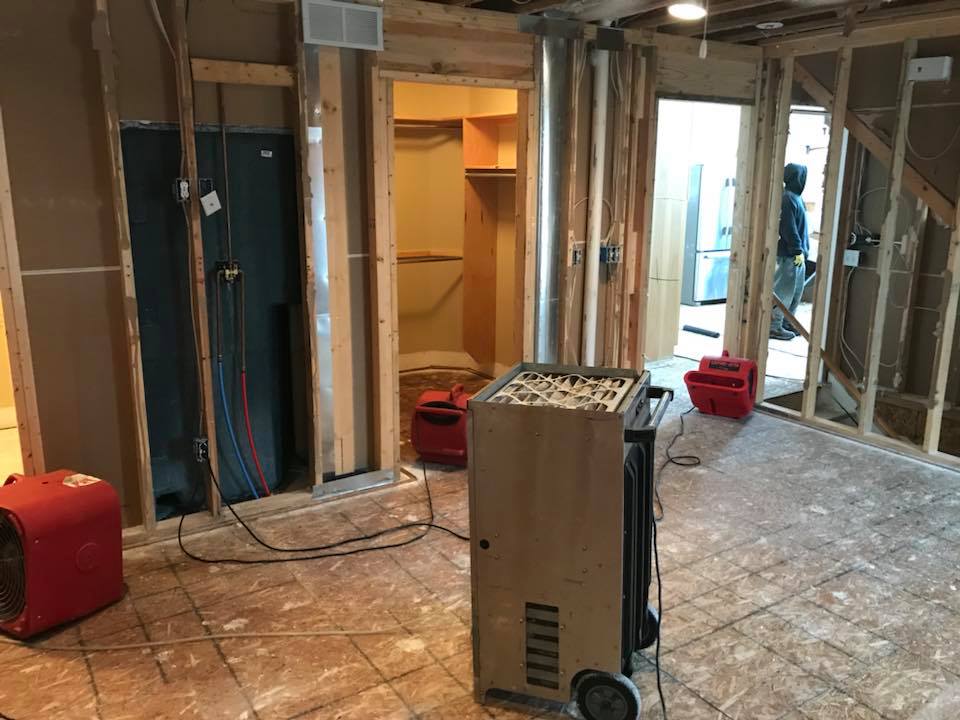
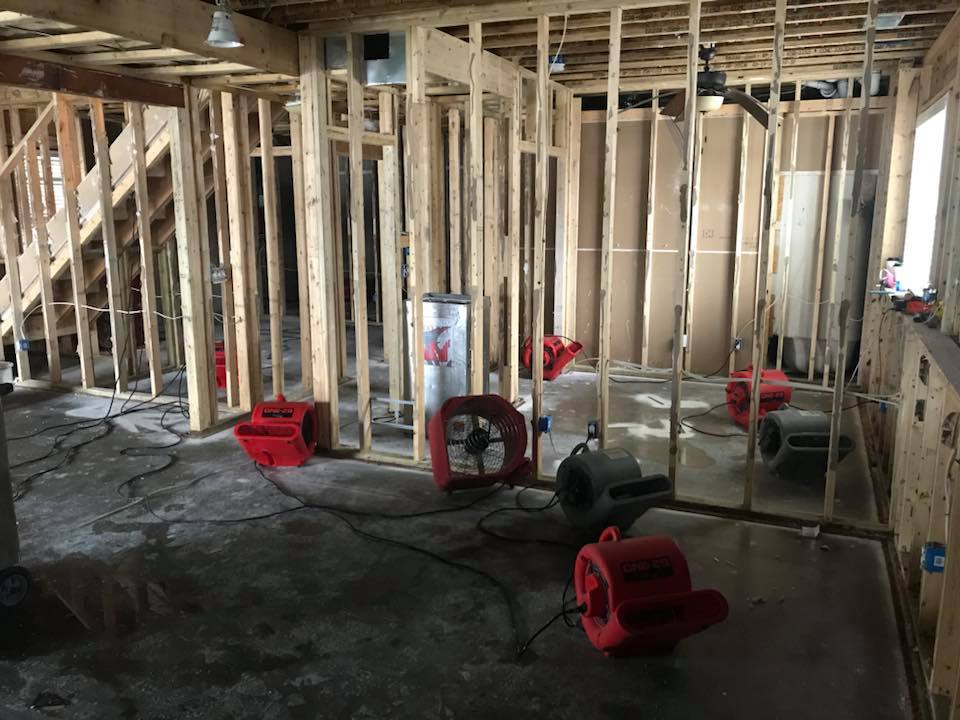
| Clean water, caught fast, drywall still solid | Dry it in place with Phoenix air movers and Phoenix LGR dehumidifiers. Where it makes sense, we drill small holes behind the baseboard so air moves through the cavity. |
| Wet insulation in the cavity | Open the wall, remove the insulation and dry the framing. |
| Gray or black water | Make a flood cut above the wet line, remove insulation, clean and treat with antimicrobial, then dry. See water damage categories. |
| Soft, crumbling or delaminated drywall | Remove and replace the damaged section. |
| Visible mold | Mold remediation through our trusted partner, then drying and rebuild. |
| Plaster walls | Specialty drying with more monitoring. Plaster can often be saved when it hasn’t let go of the lath. |
How We Fix Water Damage in Walls
How Fast Can Mold Grow in a Wet Wall?
Faster than most people think. The EPA recommends drying water-damaged materials within 24 to 48 hours to help prevent mold growth. A wall cavity is dark and stays damp, so a slow leak behind the drywall can grow mold long before you see a spot on the paint.
- Call as soon as you notice a stain, bubbling or a musty smell.
- Don’t close up a wall that hasn’t been confirmed dry with a moisture meter.
- If we find mold, remediation is handled through our trusted partner, and our crews handle the drying and rebuild.
Is Water Damage in Walls Covered by Insurance?
It often comes down to whether the water was sudden or gradual. Your own policy decides, so check with your agent.
| Situation | Usually |
|---|---|
| A pipe in the wall suddenly bursts or breaks | Water damage is often covered; the repair of the pipe itself may not be |
| A slow leak that went on for weeks or months | Often excluded as gradual damage or wear and tear |
| A frozen pipe in a heated, lived-in home | Often covered; ask your agent |
| A frozen pipe in a vacant or unheated home | May be excluded; check your policy’s vacancy and heat requirements |
| Mold in the wall | Often limited or excluded; depends on the cause and your policy |
We document the source, moisture readings and photos and write a line-by-line estimate for your adjuster. See does homeowners insurance cover water damage.

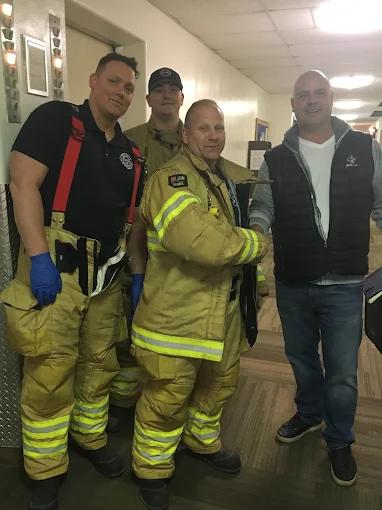
Meet the owner
Bryan Nowicki
Bryan has been in business since 1993, and in 2003 his own family’s home caught fire. He knows what the first days after a fire feel like, and he makes sure every family gets clear answers, fast help and a team that works directly with their insurance company.
If you have any questions or concerns, I’m here to help 24/7. I’d love to walk you through every one of your options so you can make the best decision for your home and your family.
— Bryan Nowicki, Owner
Local, family run, since 1993
Why Metro Detroit Homeowners Trust Select Restoration
Letting a company inside your home after a fire or flood takes trust. Here is what you can count on with us, and what our customers say about us.
What Happens When You Call
Drying, Then Rebuilding
Every wall job gets documented, from the first moisture reading to the final coat of paint.

Water Damage in Walls Questions
What are the signs of water damage in walls?
Look for stains that grow, bubbling or peeling paint, soft or bowed drywall, swollen baseboards, a musty smell, dark spots at the bottom of the wall and a water bill that jumps for no reason.
How do you find water inside a wall without opening it?
We scan with FLIR thermal cameras, which show cooler patches where water is evaporating, and confirm with Protimeter Surveymaster moisture meters, which read moisture behind the paint and inside the drywall and framing.
Can a wet wall dry without removing the drywall?
Often, yes, when the water was clean, it was caught fast and the drywall is still solid. We dry it in place with air movers and dehumidifiers and confirm with moisture readings. Wet insulation, contaminated water or soft drywall usually means opening the wall.
How long does it take to dry a wet wall?
It depends on how much water got in, what the wall is made of and whether there’s insulation in the cavity. We don’t go by the calendar. Equipment stays until the moisture readings show the wall is dry.
Do I need to replace wet insulation?
Usually. Wet fiberglass batts slump, hold water against the framing and don’t dry well inside a closed wall, so they’re typically removed and replaced.
Can I just paint over a water stain?
Not until the wall is dry and the source is fixed. Paint alone won’t cover it. Once it’s dry, we seal the stain with a stain-blocking primer and repaint.
Is water damage in walls covered by insurance?
It often depends on whether the leak was sudden or went on over time. Sudden water damage is often covered, while slow leaks are often excluded. Your own policy decides, so check with your agent.
Will there be mold inside the wall?
Not always, but a wall cavity that stays wet is a good place for mold. The EPA recommends drying within 24 to 48 hours. If we find mold, remediation is handled through our trusted partner.