


Window Well Flooding Into the Basement? Do This First
Do this now
- Stay safe. Keep out of the water if it’s near outlets, cords, the furnace or the electrical panel. Shut off the breaker only if you can reach it without standing in water.
- Lower the water in the well if you can do it safely from outside, with a bucket or a small pump. Less water in the well means less coming through the window.
- Get belongings off the floor and away from the wet wall.
- Take photos and video of the full window well, the window and every wet area in the basement.
- Call us at 810-523-0034. We extract the water and start drying.
Don’t
- Don’t open the basement window to let the water drain. It lets more in.
- Don’t walk through standing water near outlets, extension cords or appliances.
- Don’t leave wet carpet and drywall to air dry. Basements stay damp, and that’s how mold starts.
- Don’t throw anything out before it’s photographed for your claim.
- Don’t count on the sump pump to handle it. Window well water often runs down the wall and across the floor before it ever reaches the sump.
Why Window Wells Flood in Michigan
A window well is the metal or plastic liner around a basement window that sits below ground level. The bottom is supposed to drain, usually through gravel and sometimes through a pipe tied into the drain tile around your foundation. When water comes in faster than it can drain, the well fills like a bucket, and the basement window becomes the weakest point.
- Clogged drains. Leaves, dirt and debris pack the gravel or plug the drain.
- No drain at all. Some wells were never connected to anything.
- Grading and downspouts. Soil that slopes toward the house, or a downspout dumping next to the well, sends roof water straight in.
- Heavy rain and spring thaw. A big storm, or snow piled against the house melting all at once.
- Ice in winter. A frozen drain can’t take a January thaw.
- Old windows and seals. Worn caulk, rotted frames or a gap where the liner meets the foundation.

What Window Well Water Damages
Window well water usually comes in high on the wall and runs down, so it soaks more than just the floor. Because it comes off the ground, it’s often treated as Category 3 water, which changes what can be saved.
| What got wet | What usually happens |
|---|---|
| Carpet and pad | Usually removed when the water came off the ground; hard flooring is cleaned and dried |
| Drywall and insulation on the window wall | Flood cut above the wet line, insulation removed, the cavity cleaned and dried. See water damage inside walls. |
| Paneling, trim and built-ins | Depends on the material; particleboard usually swells and goes |
| Laminate or vinyl plank floors | Pulled up so the concrete underneath can dry |
| Boxes and belongings on the floor | Sorted, photographed, cleaned or sent for contents cleaning |
| Furnace and water heater | If water reached them, have a licensed HVAC tech or plumber check them before use |
What We Handle After Window Well Flooding
Our truck-mounted extractor and portable Flood Hog extractors pull water out of carpet and off the floor. More on water extraction.
Flood cuts, wet pad and insulation come out, and the area is cleaned and treated with antimicrobial.
Phoenix LGR and desiccant dehumidifiers and Phoenix air movers, checked with FLIR thermal cameras and Protimeter readings. See our drying equipment.
Phoenix HEPA air scrubbers while we work, so dust and contamination don’t spread upstairs.
Moving, cleaning and documenting what was stored in the basement.
Insulation, drywall, trim, paint and flooring, backed by our 3-year workmanship warranty.
How to Keep Your Window Well From Flooding Again
Once the basement is dry, here’s what usually keeps it that way.
- Clean out the well every fall and spring. Leaves and dirt are the most common reason wells stop draining.
- Test the drain. Pour a bucket of water into the well. If it sits there, the drain is clogged or missing.
- Add a window well cover. A clear cover keeps rain, snow and leaves out and still lets light in. If it’s an egress window, the cover has to open easily from inside, so ask the installer.
- Fix the grading. The soil around the house should slope away, not toward the well.
- Extend downspouts so roof water lands well away from the foundation.
- Reseal or replace old basement windows with failed caulk or rotted frames.
Is Window Well Flooding Covered by Insurance?
This is one of the trickier ones. Rain or snowmelt that collects on the ground and comes into the basement is often treated as surface water, which many homeowners policies exclude. Some policies and endorsements handle it differently, and flood insurance has its own definition of a flood. Your own policy decides, so ask your agent.
| How the water got in | Usually |
|---|---|
| Rain or snowmelt filled the well and came through the window | Often treated as surface water, which many homeowners policies exclude; ask your agent |
| Water backed up through a floor drain at the same time | Often needs a water backup endorsement |
| The sump pump failed and the basement flooded | Often needs a sump pump or water backup endorsement |
| Water seeped in around the window over months | Often excluded as gradual damage |
Either way, we document the damage with photos, moisture readings and a line-by-line estimate, whether it goes to your insurance company or you’re paying directly. See does homeowners insurance cover water damage and water damage cleanup without insurance.
What Happens When You Call
Finished Basements Take the Biggest Hit
A window well flood in an unfinished basement is mostly a cleanup. In a finished basement, the water gets behind the drywall, under the carpet and into built-ins, and that’s where it hides.
- Keep stored items on shelves or in plastic bins, not cardboard boxes on the floor.
- Check your window wells after big storms and before winter.
- If the basement has flooded before, tell us. Old water damage can still be hiding in the walls.
More on flooded basement cleanup and sump pump failure cleanup.


Meet the owner
Bryan Nowicki
Bryan has been in business since 1993, and in 2003 his own family’s home caught fire. He knows what the first days after a fire feel like, and he makes sure every family gets clear answers, fast help and a team that works directly with their insurance company.
If you have any questions or concerns, I’m here to help 24/7. I’d love to walk you through every one of your options so you can make the best decision for your home and your family.
— Bryan Nowicki, Owner
Local, family run, since 1993
Why Metro Detroit Homeowners Trust Select Restoration
Letting a company inside your home after a fire or flood takes trust. Here is what you can count on with us, and what our customers say about us.
What Happens When You Call
Our Crews at Work
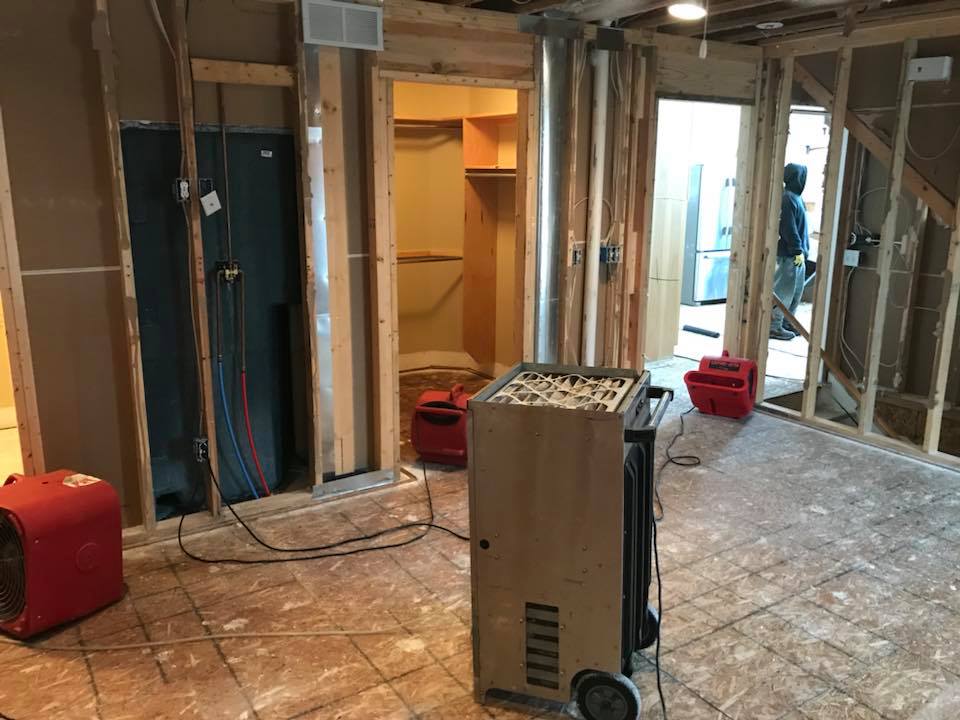
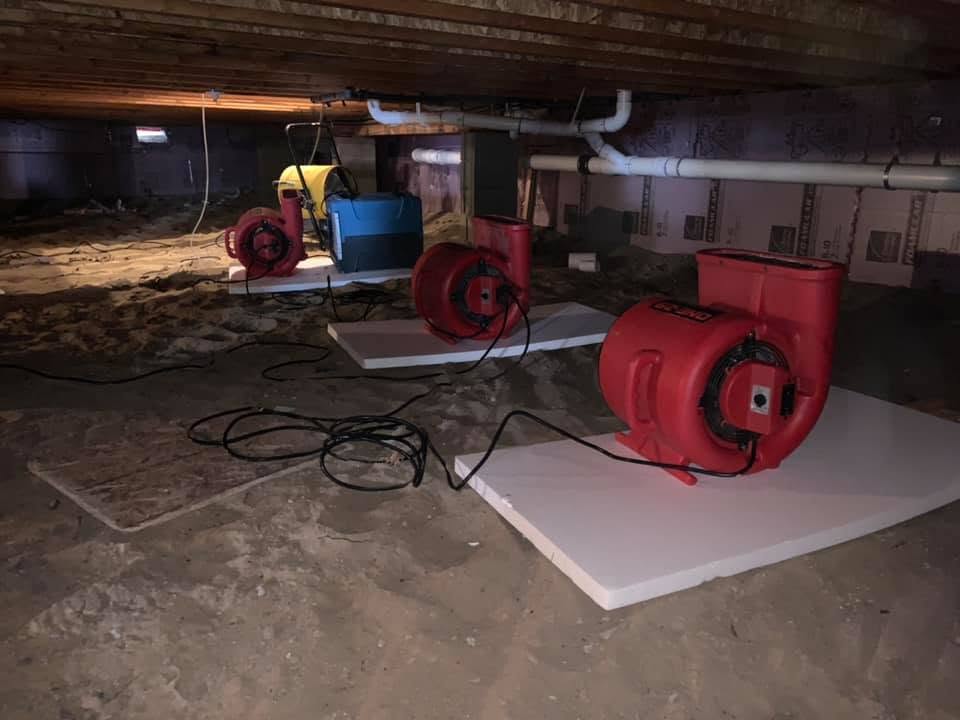
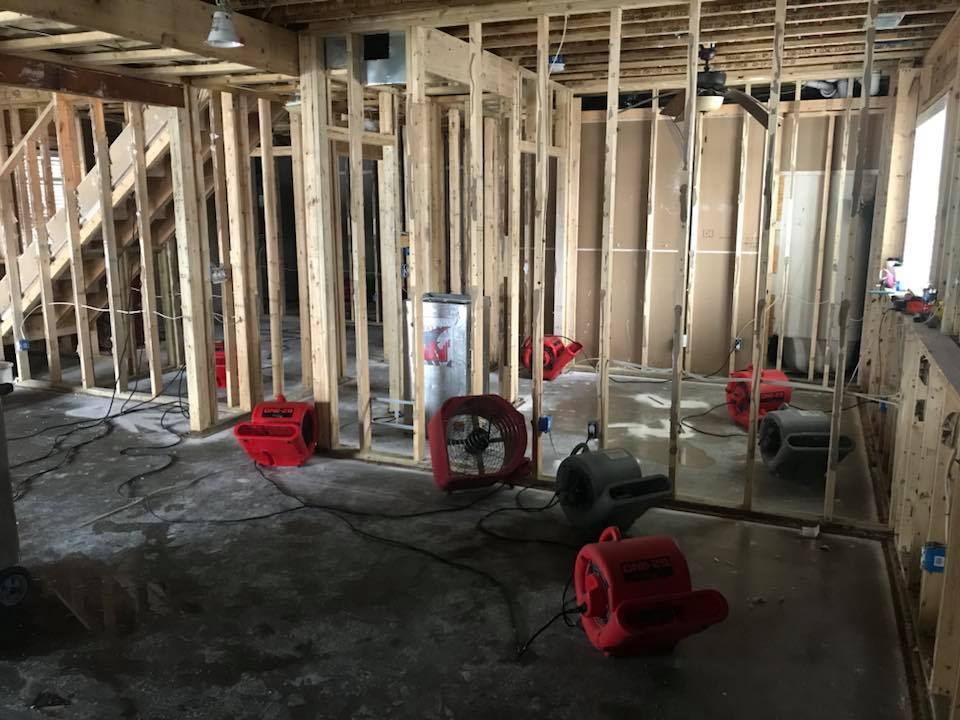
Our own crews, our own photos. Basement water jobs get documented from the first reading to the rebuild.
Window Well Flooding Questions
Why did my window well flood?
Usually because water came in faster than the well could drain. Common causes are a clogged or missing drain, soil sloping toward the house, a downspout dumping nearby, heavy rain, fast snowmelt or ice blocking the drain.
What should I do when my window well is flooding?
Stay out of water near outlets and appliances, lower the water in the well if you can do it safely from outside, move belongings off the floor, take photos and call us at 810-523-0034. Don’t open the window to drain it.
Can I pump out a window well myself?
If it’s safe to reach from outside, yes. A bucket or a small pump can lower the water and slow what’s coming in. Don’t lean into a deep well during a storm or run electric pumps near standing water inside.
Do window well covers stop flooding?
A good cover keeps rain, snow and leaves out of the well, which helps a lot. It won’t fix grading that sends water toward the house or a drain that doesn’t work. Egress window covers need to open easily from inside.
Is window well flooding covered by homeowners insurance?
It depends on your policy. Rain or snowmelt that collects on the ground is often treated as surface water, which many homeowners policies exclude. Some endorsements handle it differently. Ask your agent.
Is window well water clean?
Usually not. Because it comes off the ground, it’s often treated as Category 3 water. That usually means wet carpet pad, insulation and the lower drywall come out instead of being dried in place.
Can you fix the window well drain?
Our crews handle the cleanup, drying and rebuild. Drain and waterproofing work is done by a qualified waterproofing contractor. We’ll tell you what we found so you know what to ask for.
How long does it take to dry a basement after window well flooding?
It depends on how much water came in and what got wet. We don’t go by the calendar. Equipment stays until moisture readings show the basement is dry.