


How to Keep Your Project Moving
Do this now
- Report the claim right away and write down your claim number.
- Start mitigation immediately. Drying and cleanup shouldn’t wait for the adjuster’s visit. Document it and get started.
- Answer calls and emails quickly from your adjuster and your contractor. Small delays add up.
- Pick your materials early. Flooring, cabinets, countertops and paint colors. Special-order items can take weeks.
- Endorse insurance checks promptly. If your mortgage company is on the check, start their paperwork right away.
Don’t
- Don’t wait to start drying. Every day wet materials sit, more of them have to come out.
- Don’t leave selections to the last minute. The crew can’t install what hasn’t been picked or delivered.
- Don’t sit on insurance checks or mortgage paperwork. The rebuild often can’t start until funds are released.
- Don’t change the plan mid-job without a written change order. Changes are fine, but they add time.
- Don’t close up walls before moisture readings confirm everything is dry.
The Restoration Timeline, Phase by Phase
Here is how a typical fire or water job moves through our process. Some phases overlap, and not every job needs every phase.
| Phase | What happens | How long it usually takes |
|---|---|---|
| 1. Emergency response | We answer 24/7, stop the water or secure the house, and board up openings. | Starts the day you call |
| 2. Water mitigation and drying | Extraction, removing wet materials, then Phoenix dehumidifiers and air movers with daily readings. See moisture mapping and our drying equipment. | Often several days for a typical job. Equipment stays until readings reach the drying goal, not a set number of days. |
| 3. Fire and smoke cleanup | Soot removal, contents pack-out and cleaning, and odor treatment. | Depends on how far smoke traveled and how much needs cleaning |
| 4. Insurance estimate and approval | Adjuster visit, estimate review and any supplements for damage found later. | Varies by insurance company and claim. This part is not in our control. |
| 5. Permits and inspections | City permits, and an engineer when structural repairs are needed. See permits and inspections. | Varies by city |
| 6. City fire escrow (fires) | Some Michigan cities hold part of a fire payout until repairs or cleanup are done. See city fire escrow. | Varies by city |
| 7. Rebuild | Framing, insulation, drywall, flooring, cabinets, paint and trim. See reconstruction. | Depends on the size of the job, material lead times and your selections |
| 8. Final walkthrough | We walk the house with you, finish the punch list and go over your warranty. See aftercare and warranty. | At the end of the job |
Water Damage vs. Fire Damage: Why the Timelines Differ
A clean-water leak caught early may only need drying and a few repairs. Jobs move slower when the water sat for a while, when it is sewage or flood water (Category 3), or when hardwood floors and cabinets are involved.
Fires usually take longer. There is soot cleanup, odor, contents, often structural repairs, permits and sometimes a city fire escrow. A small kitchen fire and a whole-house fire are very different projects.
Calling right away, one company handling both mitigation and restoration, quick decisions on materials, and fast approvals.
Waiting to start drying, hidden damage found when walls are opened, insurance supplements, special-order materials, permit and inspection schedules, city escrow, changes mid-job and Michigan winter weather for outside work.
Why We Don’t Rush the Drying
Closing up walls or laying new flooring before everything is dry can trap moisture inside and lead to odors, warping and mold. We use FLIR thermal cameras and Protimeter Surveymaster meters to map the moisture, check it every day, and only move on when the readings say it’s dry.
It can feel slow when you want your house back, but drying it right the first time is faster than tearing it open again later.
What We Can and Can’t Control
We control how fast we respond, how well we dry and clean, how we document the job and how we run the rebuild. We don’t control how long an insurance company takes to review an estimate, a city’s permit schedule, an escrow release or a backordered cabinet.
What we can do is keep the paperwork moving, tell you what’s holding things up, and give you honest updates along the way.

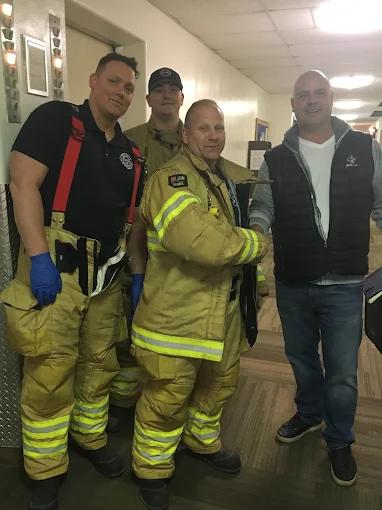
Meet the owner
Bryan Nowicki
Bryan has been in business since 1993, and in 2003 his own family’s home caught fire. He knows what the first days after a fire feel like, and he makes sure every family gets clear answers, fast help and a team that works directly with their insurance company.
If you have any questions or concerns, I’m here to help 24/7. I’d love to walk you through every one of your options so you can make the best decision for your home and your family.
— Bryan Nowicki, Owner
Local, family run, since 1993
Why Metro Detroit Homeowners Trust Select Restoration
Letting a company inside your home after a fire or flood takes trust. Here is what you can count on with us, and what our customers say about us.
What Happens When You Call
Restoration Timeline Questions
How long does water damage restoration take?
Drying often takes several days for a typical job, and the equipment stays until moisture readings reach the drying goal. Repairs after that depend on what had to be removed and the materials you choose.
How long does fire damage restoration take?
It varies widely. A small kitchen fire is a much shorter job than a whole-house fire. Cleanup, insurance approval, permits, any city fire escrow and the size of the rebuild all play a part.
How long do drying fans have to stay?
Until the moisture readings show the materials are dry, not for a set number of days. We check and record readings every day.
Why is my insurance claim taking so long?
Insurance companies review estimates, may need supplements for hidden damage, and often include your mortgage company on the check. We keep the documentation moving, but the timing of approvals is up to the insurer.
Can I speed up my restoration?
Yes. Make your material selections early, answer calls quickly, endorse insurance checks promptly and avoid changing the plan mid-job.
Do I need a permit for fire damage repairs in Michigan?
Most fire repairs that involve structure, electrical, plumbing or mechanical work need permits and inspections. Rules vary by city.
What is a city fire escrow?
Some Michigan cities hold back part of a fire insurance payout until the house is repaired or the property is cleaned up. It can affect when funds are released for the rebuild.
When do I get my house back?
After the final walkthrough, once the punch list is done and you are happy with the work. We go over your 3-year workmanship warranty at that time.