

The Industry Standards We Work To
The IICRC (Institute of Inspection, Cleaning and Restoration Certification) publishes the ANSI-approved standards the restoration industry follows. These are the three that matter most on a typical home loss.
Our Protocol, Step by Step
The details change with every house, but the order does not.
What You Get in Writing
Good restoration is easy to check. These are the records we keep for you and your insurance company.
Before, during and after, room by room.
Daily readings that show when each area reached dry.
An Xactimate estimate your adjuster can compare item by item.
When suspect materials are tested, the results come through the licensed partner.
Sign-offs when the repair work requires them.
Our repair workmanship carries a 3-year warranty. The terms are in your contract.
Questions to Ask Any Restoration Company
Ask these
- Are you an IICRC Certified Firm, and what is your firm number?
- Will I get copies of the moisture readings and drying logs?
- How do you decide what gets removed and what gets dried in place?
- Who tests suspect asbestos before demolition?
- Do you pull permits for the rebuild when they are required?
- What warranty do you give on the repairs, in writing?
Watch out for
- Equipment pulled on a set number of days instead of when readings show dry.
- Walls closed up or flooring laid with no final moisture readings.
- Pressure to sign before you have read the paperwork.
- Promises about what your insurance will pay. Your policy decides that.
- No written estimate or scope of work.

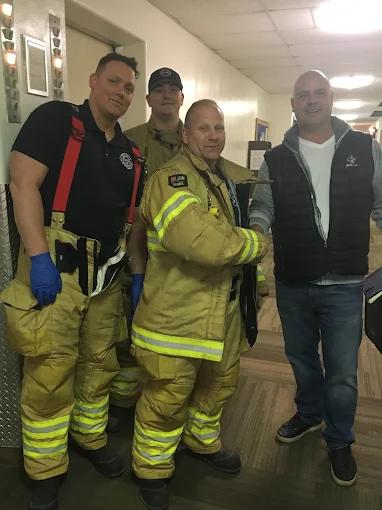
Meet the owner
Bryan Nowicki
Bryan has been in business since 1993, and in 2003 his own family’s home caught fire. He knows what the first days after a fire feel like, and he makes sure every family gets clear answers, fast help and a team that works directly with their insurance company.
If you have any questions or concerns, I’m here to help 24/7. I’d love to walk you through every one of your options so you can make the best decision for your home and your family.
— Bryan Nowicki, Owner
Local, family run, since 1993
Why Metro Detroit Homeowners Trust Select Restoration
Letting a company inside your home after a fire or flood takes trust. Here is what you can count on with us, and what our customers say about us.
What Happens When You Call
Restoration Standards Questions
What is the IICRC?
The Institute of Inspection, Cleaning and Restoration Certification. It certifies technicians and firms and publishes the ANSI-approved standards the restoration industry works to, including S500 for water, S520 for mold and S700 for fire and smoke.
What does IICRC Certified Firm mean?
IICRC Certified Firms commit to the IICRC standards and Code of Ethics and employ IICRC-certified technicians. Select Restoration is IICRC Certified Firm #70014686.
What is the IICRC S500 standard?
ANSI/IICRC S500 is the standard for professional water damage restoration. It covers water categories and classes, what should be removed, how drying is set up and how dryness is verified.
What is the IICRC S700 standard?
ANSI/IICRC S700 is the standard for fire and smoke damage restoration. It covers assessing soot and smoke damage, cleaning methods and odor control.
How do you know when everything is dry?
We take readings on materials that were not affected to set a dry standard, then take daily readings on the wet areas and record them in drying logs. Equipment comes out when the readings match, not on a set day.
Do you test for asbestos before tearing things out?
When we find suspect materials like old 9×9 floor tiles or pipe wrap, licensed and certified asbestos partners test them before demolition and handle any abatement. Select Restoration is not an asbestos abatement contractor.
Do you handle mold?
Mold remediation is handled through our trusted partner, and we coordinate it with the rest of your restoration.
What paperwork will I get?
Photos, moisture readings and drying logs, a line-by-line estimate, any test results and permit sign-offs that apply, and your warranty information.