


Structural Drying in Wayne County Drying Older Homes the Right Way
Plaster walls, block foundations, old hardwood and basements finished three times over: Wayne County homes take more than a few fans to dry. We map the moisture, dry it with commercial equipment and prove it with daily readings.
Family-owned since 1993•IICRC Certified Firm #70014686•24/7Drying Challenges in Older Wayne County Homes
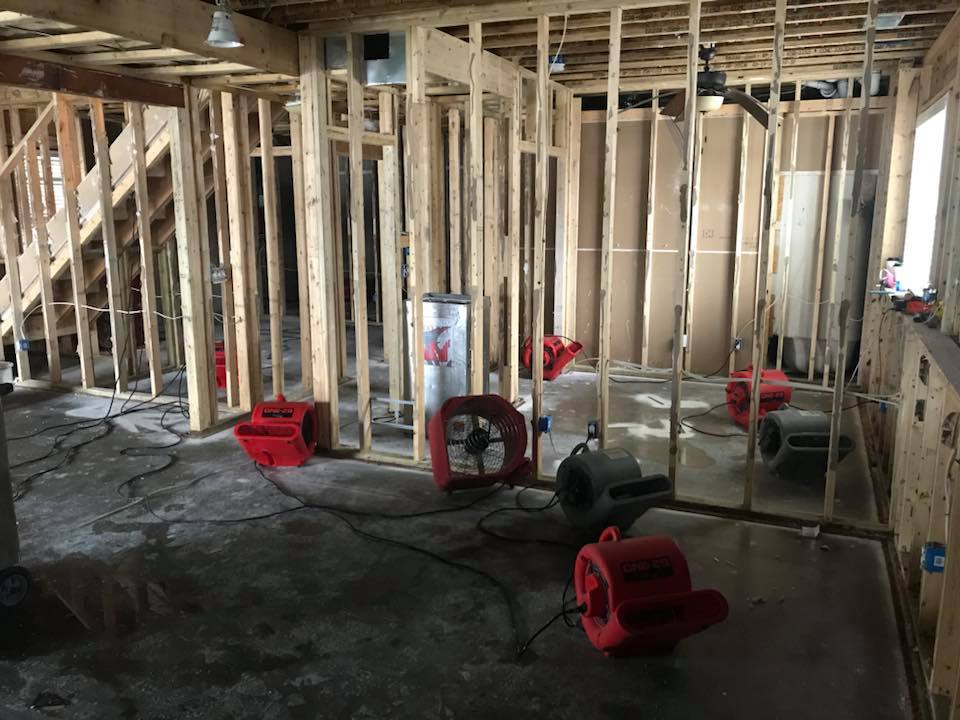
Much of Wayne County was built before 1960, and older materials behave differently when they get wet. Plaster and lath hold water longer than drywall. Stone and block foundation walls soak up water and release it slowly. Old-growth hardwood can often be saved with the right drying, while layers of paneling, carpet and old tile can hide water for weeks. After a big storm like June 2021, when thousands of basements took on storm water and sewage at once, the homes that were dried properly were the ones that didn't end up with mold.
Our Drying Process
We follow ANSI/IICRC S500, the industry standard for water damage restoration:
Local, Independent and Accountable
A family-owned Michigan company since 1993, not a franchise.

Credentials Behind the Drying
- ★ 4.7 on Google 120+ reviews
- IICRC Certified Firm #70014686
- Licensed MI Builder #2102185156, since 2007
- BBB A+ Accredited since 2005
- Licensed, Bonded & Insured general contractor
- 3-Year Warranty on workmanship, in writing
Ratings and reviews from customers whose homes we dried out.
“Select Restoration sent a crew to our home hours after we called with a basement water issue. The team promptly dried out our basement, removed water damaged carpet padding and baseboards.”
“After the fantastic job Select Restoration did a few years back to restore water damage to my property, it was a no-brainer to use them again when I experienced a similar issue.”
Daily Records Your Adjuster Expects
Drying is billed by the day, and insurers want to see why each piece of equipment was needed. Our moisture logs, equipment records and photos support every line of the Xactimate estimate.
- Moisture logs.For every affected material, every day.
- Equipment records.What ran, where and for how long.
- Contents documented.Before anything is discarded.

Plaster, Block and Mold
Plaster, block walls and old wood can hold moisture long enough for mold to grow if they aren't dried properly. If you already see or smell mold, our partner Mold Removal Team handles mold testing and removal across Michigan.
Visit Mold Removal Team →Drying you can verify
Thermal Imaging, Moisture Mapping and Daily Logs
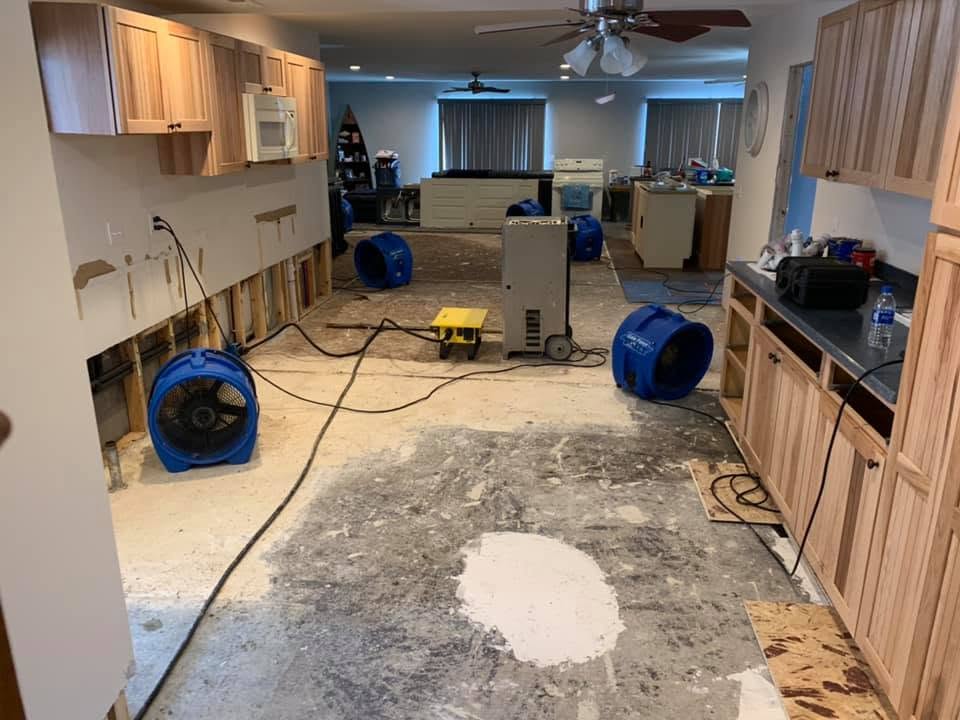
Structural drying is about the water you can’t see, soaked into studs, subfloors and wall cavities. So on structural drying jobs across Wayne County, we rely on measurements instead of guesses, using three tools from the first walkthrough until the equipment is picked up.
Structural Drying Questions
Can plaster walls be dried?
Often, yes. Plaster holds water longer than drywall, so it takes more time and the right equipment, but it doesn't always have to be removed after clean water. After sewage, contaminated plaster usually comes out.
How long does drying take in an older home?
Usually three to seven days. Dense materials like plaster, block and old hardwood can take longer. We go by daily readings, not a calendar.
Do you dry block foundation walls?
Yes. Block and stone walls absorb water and release it slowly, so we use dehumidifiers and air movement and track readings until they reach their dry standard.
What does it cost?
Clean water jobs typically run $995–$4,000, gray water $1,995–$6,500 and sewage $3,995–$14,999, with the exact price after a free inspection.
Related Help
Self-pay prices are typical ranges for mitigation only (water removal, drying and tear-out); your final price comes from a free on-site inspection. Insurance and claim information is general, not legal or insurance advice.