


Water Extraction in Oakland County Get the Water Out Fast, and Get It All
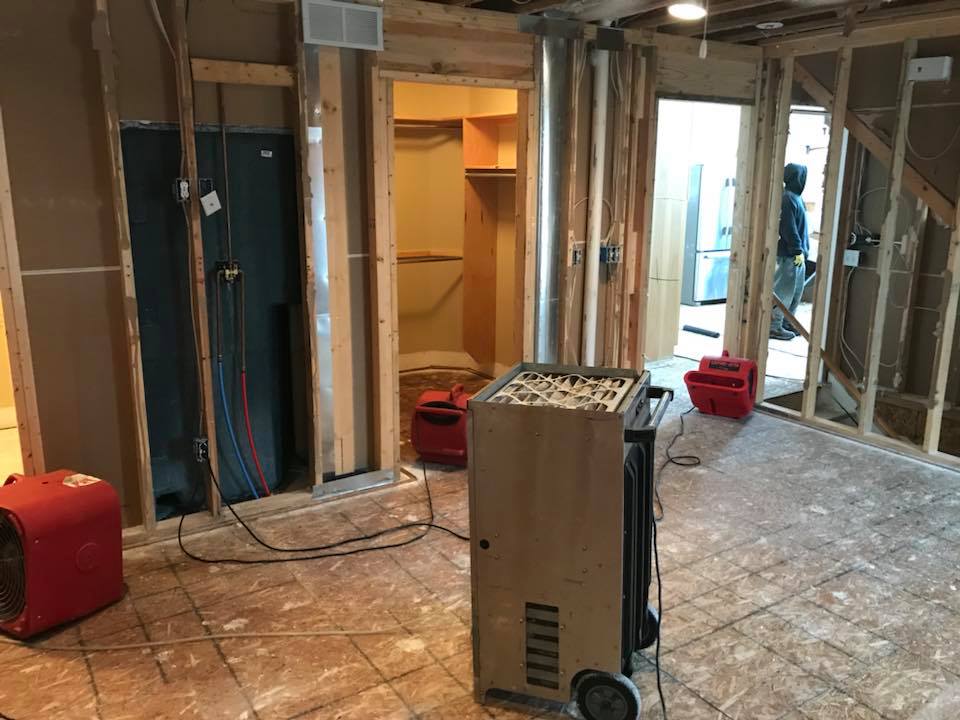
Every hour standing water sits, more of it soaks into carpet, pad, drywall and subfloor, and drying gets longer and more expensive. We pump out standing water, then pull the water hiding inside the materials with extraction tools made for the job.
Family-owned since 1993•IICRC Certified Firm•24/7 dispatchStanding Water Right Now?
⚠ Safety firstWhere We Extract Water in Oakland County
Most of our Oakland County extraction jobs are in finished basements in Troy, Rochester Hills, Farmington Hills and Southfield, where a sump pump failed or a storm overloaded the sewers. The June 2021 storms and the July 7, 2021 storm that led to a state of emergency for Farmington, Farmington Hills and Southfield both left thousands of basements with standing water. We also extract water from main floors after supply line, dishwasher and refrigerator line failures, and from condo units hit by a leak from above.

Independent, Family-Owned, Since 1993
Not a franchise. One Michigan company from the first pump-out to the final repair.

Credentials You Can Check
- ★ 4.7 on Google 120+ reviews
- IICRC Certified Firm #70014686
- Licensed MI Builder #2102185156, since 2007
- BBB A+ Accredited since 2005
- Licensed, Bonded & Insured general contractor
- 3-Year Warranty on workmanship, in writing
What customers say about how fast we got the water out.
“Your prompt attention and thoroughness made all the difference in the world when dealing with the stress of our flooded basement… Best of all it was hassle free for us as homeowners.”
“Helped us out when my basement was flooded yesterday. Fast response, good guys! Left my basement dry and smelling good!”
Extraction Is Part of Your Claim
Water extraction is a standard, billable part of a water damage claim. We record how much water was removed, from where, and what it was, and write it into an Xactimate estimate your adjuster will recognize.
- Category documented.Clean, gray or black water.
- Photos before and after.Proof of what was removed.
- Daily readings.The drying that follows extraction.

Fast Extraction Prevents Mold. If It's Already There, Call the Experts.
Getting water out quickly is the best way to stop mold before it starts. If water sat long enough that mold is already growing, our partner Mold Removal Team handles inspection, testing and removal across Michigan.
Visit Mold Removal Team →Measuring what’s left
Thermal Imaging, Moisture Mapping and Logs After Extraction
Our pumps and extractors remove the water you can see, but plenty can remain in drywall, subfloor and studs. On water extraction jobs in Oakland County, three tools help us find and track that leftover moisture until the last piece of equipment is gone.
Water Extraction Questions
How fast should water be extracted?
As soon as possible. Clean water can turn into gray water in 24 to 48 hours, and mold can start growing in that window too. Fast extraction is what makes drying in place possible.
Can my carpet be saved after extraction?
Often, if the water was clean and we got there quickly. The pad usually gets replaced. After sewage or outside water, carpet and pad both have to go.
Do you just use a shop vac?
No. We use submersible pumps for standing water and commercial extraction units, including weighted extraction tools that press water out of carpet and pad.
What does it cost?
Clean water cleanup typically runs $995–$4,000. You get an exact price after a free on-site inspection.
Related Help
Self-pay prices are typical ranges for mitigation only (water removal, drying and tear-out); your final price comes from a free on-site inspection. Insurance and claim information is general, not legal or insurance advice.