


Structural Drying in Oakland County Dry Means Dry, Not Just Dry to the Touch
After the water is gone, the hidden water is still there: in drywall, framing, hardwood and the slab. We measure it, dry it with commercial equipment, and prove it's dry with daily readings before anything is closed up or rebuilt.
Family-owned since 1993•IICRC Certified Firm #70014686•24/7How Professional Drying Works
Structural drying is the part of water damage restoration that decides whether you have a mold problem a month from now. Wet drywall, framing, subfloor and concrete hold water long after the floor looks dry. Our crews follow ANSI/IICRC S500, the industry standard for water damage restoration:
Drying Finished Spaces in Oakland County
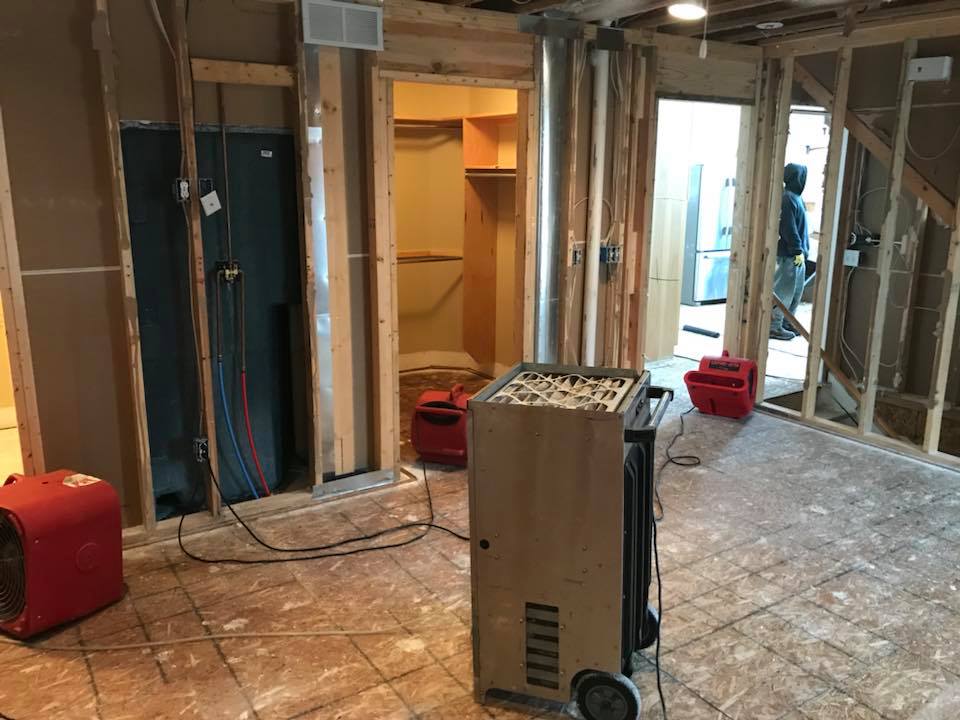
Oakland County homes are full of materials that are expensive to tear out: engineered hardwood, finished basements, built-in cabinetry, tile showers. Good structural drying lets us save as much of it as possible. With a fast start, hardwood can often be dried in place with floor-drying mats, and walls can be dried by venting the cavity instead of cutting 4 feet of drywall. When something truly can't be dried, we take it out and document why.

Why an Independent Company Dries It Better
We've been family-owned since 1993, and we rebuild what we dry, so we have every reason to dry it right.
- We rebuild what we dry. No shortcuts that leave problems for the next contractor.
- IICRC Certified Firm. #70014686.
- Daily logs you can see. Readings and photos every visit.
- Rebuild Your Way. Upgrade or move money within your claim.
- Free second opinions. On another contractor's drying or scope.
Customers Notice the Difference
4.7 stars on Google, and credentials you can verify.
“Basement flooded due to faulty sump pump… Even though it was evening, he and his crew came, removed articles from basement, checked for mold, sucked up water and placed commercial fans and dehumidifiers.”
“I highly recommend Select Restoration in Fraser, MI! We had a flooded basement and were extremely stressed about the amount of water damage and what needed to be done. Their team responded quickly, was professional and reassuring.”
#70014686
#2102185156, since 2007
since 2005
general contractor
on workmanship, in writing
Drying Logs Get Claims Paid
Insurers pay for drying equipment by the day, and they want proof it was needed. Our daily moisture readings, equipment logs and photos back up every line of the Xactimate estimate.
- Daily moisture records.For every affected material.
- Equipment logs.What ran, where and for how long.
- Before-and-after photos.From day one to dry.

Proper Drying Is Mold Prevention
Most mold problems after water damage come from materials that were never dried all the way. That's what our daily readings prevent. If mold is already present, our partner Mold Removal Team handles testing and remediation.
Visit Mold Removal Team →Our dry standard
Moisture Mapping, Thermal Imaging and Logs That Prove Dry
Framing, subfloors and the inside of walls can stay wet long after surfaces feel dry to the touch. For structural drying in Oakland County, we measure that hidden water with three tools, used the same way on every visit until our equipment goes home.
Structural Drying Questions
How long does structural drying take?
Most jobs take three to five days. Dense materials like hardwood, plaster and concrete, or water that sat a while, can take longer. We pull the equipment when readings say the materials are dry, not on a set schedule.
Can my hardwood floors be saved?
Often, if drying starts quickly. Specialized mats pull water from the boards and subfloor. Badly cupped or buckled boards may still need replacing.
Why can't I just open the windows and run fans?
Fans move air but don't remove moisture. Without dehumidifiers, the water evaporates into the air and soaks back into other materials, and drying can stall long enough for mold to grow.
What does it cost?
Clean water cleanup, including drying, typically runs $995–$4,000. You get an exact price after a free on-site inspection.
Related Help
Self-pay prices are typical ranges for mitigation only (water removal, drying and tear-out); your final price comes from a free on-site inspection. Insurance and claim information is general, not legal or insurance advice.