


After a Heating Fire: Do This First
Do this now
- Get everyone out and call 911, even if the fire looks out. Chimney and furnace fires can keep smoldering inside walls, chases and ductwork.
- Leave the appliance off. Don’t relight the stove, use the fireplace or restart the furnace until a qualified technician has checked it.
- Turn the furnace fan off so it isn’t pulling soot through the ducts into every room.
- Take photos and video of every room, the appliance and anything damaged before you move or clean it.
- Call your insurance agent and get a claim number started.
- Call us at 810-523-0034. We secure the house, protect what didn’t burn and set up temporary heat so the pipes don’t freeze while the furnace is down.
Don’t
- Don’t wipe soot with a wet rag or household cleaner. It smears into the paint and sets the stain.
- Don’t run the furnace “just to warm the house up” before it’s been inspected.
- Don’t throw out smoke-damaged belongings before they’re photographed and the adjuster has seen them.
- Don’t dump fireplace or stove ashes in a paper bag, a cardboard box or the garage. Ashes can stay hot for days.
- Don’t leave a house with no heat sitting empty in a Michigan freeze.
Four Ways Heat Turns Into a House Fire
Chimney fires. Creosote builds up inside the flue every time you burn wood. Enough of it catches fire and burns hot enough to crack a clay liner, and heat that gets through a cracked liner can reach the framing around the chimney chase and up into the attic.
Wood stoves and fireplaces. Stoves set too close to walls or furniture, doors left open, and hot ashes carried out in the wrong container start fires on the floor and the wall behind the stove, often with heavy, smoky soot from a slow burn.
Space heaters. Bedding, curtains or a couch a little too close, a heater tipped over, or one plugged into a light-duty extension cord. These fires usually start in a bedroom or living room and hit furniture and belongings hard. Our space heater fire guide walks through the first 48 hours.
Furnaces. A furnace fire stays in the basement or utility room, but the duct system carries smoke and soot to rooms that never saw a flame. A furnace puffback, when an oil or gas burner misfires, can coat a whole house in a fine black film with no fire at all.
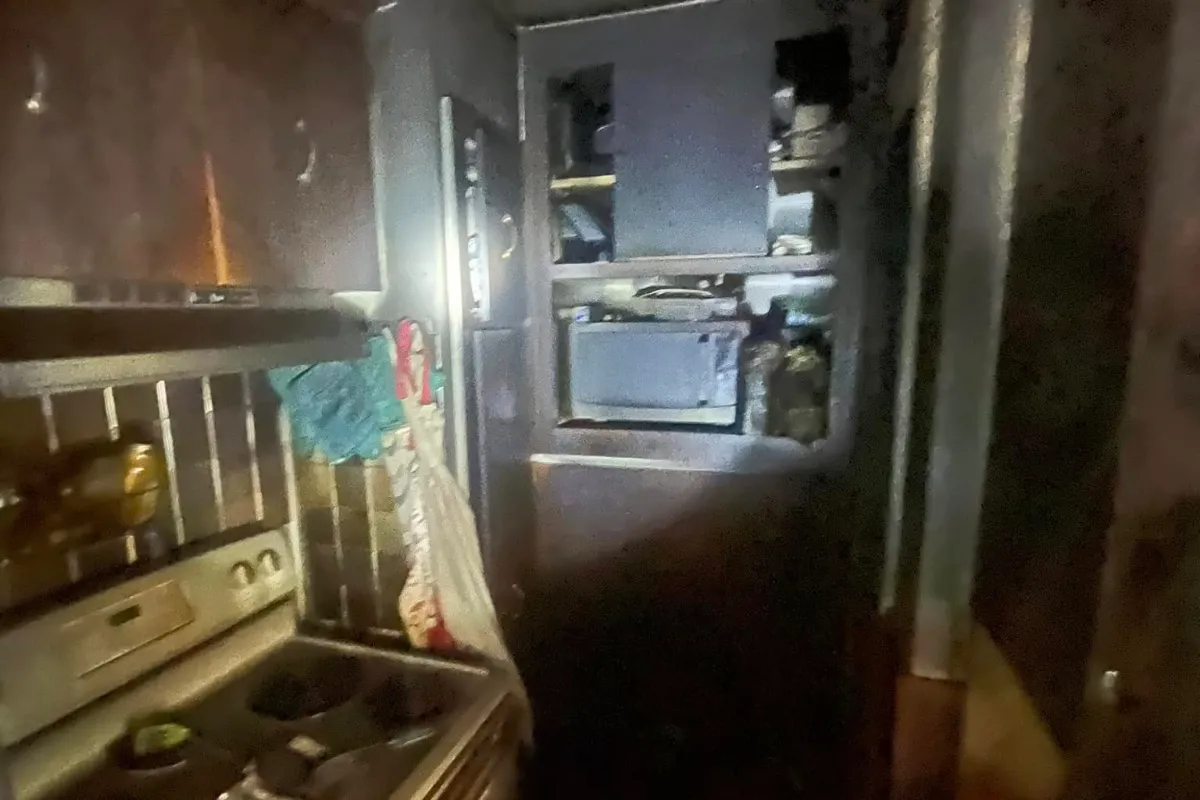
Where the Damage Usually Ends Up
Every heating fire leaves a different pattern. Knowing where to look is what keeps a smoke smell from coming back next summer.
| Where it started | What we usually find |
|---|---|
| Chimney | Charred framing around the chase, damage in the attic and roof deck near the chimney, smoke through the top floor, and water in the ceilings from the fire hose |
| Wood stove or fireplace | Burned flooring and wall behind the unit, thick oily soot from a smoldering fire, smoke odor soaked into carpet, drapes and upholstery |
| Space heater | Heavy damage in one room, burned furniture and bedding, sticky synthetic soot on walls and ceilings, smoke spread down the hall |
| Furnace | Basement or utility room damage, soot and smoke carried through the ductwork into every room, odor that comes back each time the heat runs |
What We Handle After a Heating Fire
Windows the fire department broke and doors they forced get covered right away. See emergency board-up. Roof openings are tarped by our sister company, Select Installs.
Dry soot sponges, HEPA vacuums and the right cleaner for the type of residue, so walls and ceilings come clean instead of smeared. More on smoke damage cleanup.
Air scrubbers during the work, then hydroxyl generators or thermal fogging to reach smoke in framing and soft goods. See odor removal.
Hoses soak ceilings, insulation and the floors below. We pull the water, remove what can’t be dried and dry the rest with commercial equipment.
Belongings get inventoried, packed out, cleaned and stored, or listed for the claim. See contents cleaning.
If the furnace is out, we set up temporary heat and power so a fire doesn’t turn into a frozen-pipe flood.
Ductwork that carried smoke gets cleaned through our trusted partner, and we coordinate with your HVAC company on the furnace itself.
As a Michigan licensed builder (#2102185156), we pull permits and rebuild framing, drywall, flooring and finishes, with a 3-year workmanship warranty. See fire damage reconstruction.
Does Insurance Cover a Heating Fire?
Usually, yes. Fire and smoke damage are covered under most standard homeowners and commercial property policies no matter what started the fire. Where people get surprised is the appliance itself and slow, long-term problems. Your own policy decides, so check each item with your agent.
| Type of damage | Usually |
|---|---|
| Fire and smoke damage to the house from a chimney, stove, heater or furnace fire | Covered as fire, minus your deductible |
| Water damage from the fire department putting it out | Usually covered along with the fire |
| Replacing the furnace or space heater that failed | Often not covered when it’s wear and tear; ask your agent |
| Chimney repair after a chimney fire | Often covered when the fire caused it; long-term deterioration usually is not |
| Soot from a furnace puffback | Many policies treat it as sudden smoke damage; check your policy |
| Hotel and meals while you can’t live at home | Often covered under additional living expense |
How We Help With the Claim
We document the damage with photos, moisture readings and notes, write a line-by-line estimate in Xactimate (the same pricing software most adjusters use), meet the adjuster at the property and do the repairs. Your claim itself stays between you and your insurance company. If your deductible is a concern, ask about our $500 Upgrade Credit. More on the insurance restoration process. Questions about your insurer can go to Michigan DIFS at 877-999-6442.
What Happens When You Call
Keep It From Happening Again
Once the house is back together, a few habits cut the odds of a second heating fire:
- Have the chimney inspected and swept by a certified sweep before burning season.
- Keep space heaters at least three feet from anything that can burn, and plug them straight into a wall outlet.
- Get the furnace tuned up every fall, and replace a cracked or rusted unit instead of nursing it through one more winter.
- Carry ashes out in a metal can with a lid and set it outside, away from the house.
- Test smoke and carbon monoxide alarms on every level.
We’ve served more than 8,100 customers from our shop at 31435 Utica Rd in Fraser since 1993. You’re welcome to visit our showroom.

Meet the owner
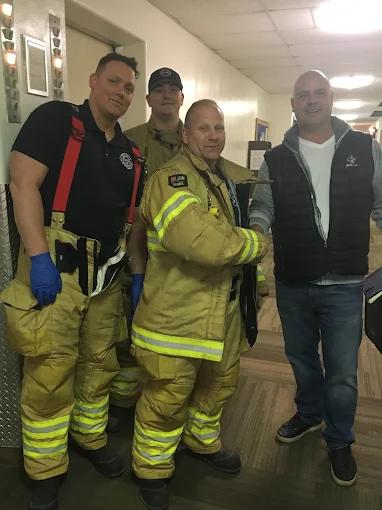
Bryan Nowicki
Bryan has been in business since 1993, and in 2003 his own family’s home caught fire. He knows what the first days after a fire feel like, and he makes sure every family gets clear answers, fast help and a team that works directly with their insurance company.
If you have any questions or concerns, I’m here to help 24/7. I’d love to walk you through every one of your options so you can make the best decision for your home and your family.
— Bryan Nowicki, Owner
Local, family run, since 1993
Why Metro Detroit Homeowners Trust Select Restoration
Letting a company inside your home after a fire or flood takes trust. Here is what you can count on with us, and what our customers say about us.
What Happens When You Call
Our Crews at Work
Our own crews, our own photos. Every heating fire gets the same start-to-finish attention.


Heating Fire Questions
Does homeowners insurance cover a chimney fire?
Usually, yes, for the damage the fire caused to the house, like charred framing, smoke damage and water from firefighting. Repairs for a chimney that was already deteriorating are often not covered. Your own policy decides, so check it with your agent.
Can I use my fireplace or wood stove after a chimney fire?
No. Don’t burn anything until a certified chimney sweep has inspected the flue. Chimney fires often crack the liner, and the next fire can reach the framing around the chimney.
Why is there soot all over the house when the fire was only at the furnace?
The duct system moves air to every room, so it moves smoke and soot too. That’s why the ducts need cleaning and the furnace has to stay off until it’s checked, or the soot gets blown back into rooms that were already cleaned.
Will the smoke smell from a space heater fire ever come out?
Yes, when it’s cleaned and deodorized the right way. Space heater fires often burn plastics and fabrics, which leave sticky soot and strong odor. We clean the surfaces first, then use hydroxyl generators or thermal fogging to reach smoke that soaked into framing and furniture.
Is a furnace puffback the same as a fire?
No. A puffback is a misfire inside an oil or gas burner that blows soot out through the vents, often with no flames at all. The cleanup is similar to smoke damage. See our furnace puffback guide for what to do.
How fast can you get here after a heating fire?
We answer 24/7 and are usually at your door within about an hour. On a cold night, we also bring temporary heat so the pipes don’t freeze while the furnace is down.