


Water in the House? Do This First
Do this now
- Stop the water if you can safely reach the main shutoff or the valve behind the appliance.
- Shut off the power to any room where water is near outlets, cords or the electrical panel, but only if you can reach the breaker without standing in water.
- Treat it as dirty until you know it’s clean. If it came up a floor drain, out of a toilet or in through a basement wall, keep kids and pets away and don’t walk through it barefoot.
- Take photos and video of the water, the source and every wet room before anything gets moved.
- Call us at 810-523-0034. We find the source, tell you which category of water you have and start extraction and drying.
Don’t
- Don’t use a household vacuum or shop vac on sewage. It spreads bacteria into the air and contaminates the machine.
- Don’t keep soaked carpet pad, even when the water was clean. Pad holds water like a sponge and rarely dries well.
- Don’t run the furnace fan if sewage reached the furnace or ductwork.
- Don’t throw out damaged belongings before they’re photographed for your claim.
- Don’t wait. Clean water turns into dirty water the longer it sits.
What the Water Damage Categories Mean
Restoration companies follow the IICRC S500, the industry standard for water damage. It sorts water into three categories based on how contaminated it is, not on what color it looks. Clear water can still be Category 3, and the category decides how we clean, what we remove and what protective gear our crew wears.
Category 1 (clean water) starts out safe to touch, like water off a broken supply line. Category 2 (gray water) has enough contamination to make people sick, like washing machine discharge. Category 3 (black water) is grossly contaminated and can carry bacteria, viruses and other things you don’t want in your home, like a sewer backup or flood water.
As an IICRC Certified Firm, we classify the water on every job and write it into the documentation your insurance adjuster sees, so the cleanup matches the risk.

Category 1 vs. Category 2 vs. Category 3 Water at a Glance
Here’s how the three categories compare in a typical Michigan home.
| Category 1: Clean | Category 2: Gray | Category 3: Black | |
|---|---|---|---|
| What it is | Water that starts clean and sanitary | Water with enough contamination to cause illness | Grossly contaminated water that can carry bacteria, viruses and other pathogens |
| Common sources | Burst or frozen supply line, water heater supply line, sink or tub overflow, fridge ice-maker line | Washing machine or dishwasher discharge, toilet overflow without feces, aquarium, some sump pump failures | Sewer or floor drain backup, toilet overflow with feces, river or creek flooding, surface water coming in through walls or window wells |
| Usually saved | Carpet, pad, drywall, cabinets and most belongings, if drying starts fast | Carpet (pad usually goes), hard surfaces and many belongings after cleaning | Hard, non-porous items after cleaning and disinfecting |
| Usually removed | Only materials that stay wet too long, swell or delaminate | Carpet pad, wet insulation, some drywall and particleboard | Carpet and pad, wet drywall (flood cut), insulation and porous items like mattresses and upholstered furniture |
| How we clean it | Extract, dry and monitor | Extract, clean, apply antimicrobial, dry and monitor | Contain the area, wear PPE, remove contaminated materials, clean, disinfect, dry and verify |
Clean Water Doesn’t Stay Clean
The category can change. A supply line leak starts as Category 1, but as the water sits it soaks through carpet, picks up dirt and soil, runs into wall cavities and warms up in the house. The longer it sits and the warmer it is, the faster it degrades into Category 2 and eventually Category 3. That’s why the first few days matter so much, and why a “clean” leak that sat over a long weekend can turn into a bigger tear-out.
What Can Be Saved After Water Damage
What stays and what goes depends on the category, how long the water sat and what the material is made of. Here’s what we usually tell homeowners.
In Category 1 water caught early, carpet and even pad can often be dried in place. In Category 2, the pad usually goes and the carpet may be cleaned and saved. In Category 3, carpet and pad are removed.
Drywall that got wet with clean water can often be dried in place. With gray or black water, we make a flood cut: a straight cut above the wet line so the contaminated lower section and insulation come out and the wall cavity can dry. More on water damage inside walls.
Wet fiberglass batts in a wall cavity usually come out. They hold water against the framing and don’t dry well once they’ve slumped.
Solid hardwood can often be saved with Injectidry floor drying if we start fast. See hardwood floor water damage.
Solid wood cabinet boxes can sometimes be dried. Particleboard bases that sat in water usually swell and need replacing.
Many items can be cleaned or sent for contents cleaning. Mattresses, upholstered furniture and stuffed toys that sat in Category 3 water usually can’t be saved.
Water Damage Classes 1 to 4: How Much Is Wet
Category is about how dirty the water is. Class is about how much got wet and how hard it’ll be to dry. We use both to plan the job and decide how much drying equipment goes in.
| Class | What it looks like | How we dry it |
|---|---|---|
| Class 1 | A small area, mostly low-porosity materials like tile or concrete, with little water absorbed | A few air movers and a dehumidifier |
| Class 2 | A whole room of carpet and pad, with water wicking a short way up the walls | Air movers across the room, Phoenix LGR dehumidifiers and daily readings |
| Class 3 | The most saturated: water came from overhead, so ceilings, walls, insulation, carpet and subfloor are all wet | Heavier setup, often with ceiling and wall cavity drying |
| Class 4 | Specialty drying: hardwood, plaster, concrete, crawl spaces and other materials that hold water deep inside | Phoenix desiccant dehumidifiers, Injectidry systems and longer monitoring |
Want the details on what we bring? See our water damage drying equipment and how we track the job with moisture mapping and drying monitoring.
Does the Water Category Affect My Insurance Claim?
The category mostly affects the scope and cost of the cleanup. What your insurance covers usually depends on what caused the water and how your policy is written. Your own policy decides, so check with your agent before you assume either way.
| Where the water came from | Usually |
|---|---|
| Sudden burst pipe or supply line | Often covered under a homeowners policy; ask your agent |
| Sewer or floor drain backup | Often needs a water backup endorsement on your policy |
| Sump pump failure | Often needs a sump pump or water backup endorsement |
| Rising water or heavy rain flowing over the ground | Usually excluded from homeowners; flood insurance may cover it if you have it |
| A slow leak over weeks or months | Often excluded as gradual damage |
We document the source, the category, moisture readings and photos and write a line-by-line estimate for your adjuster. Learn more about whether homeowners insurance covers water damage and our restoration process.
What Happens When You Call
Why Michigan Basements See So Much Dirty Water
In southeast Michigan, a lot of water damage happens in the basement, and basement water is often Category 2 or 3.
- Heavy rain can overload sewers and push water back up through floor drains.
- Spring thaw and long rains raise groundwater, which can come in through cracks, window wells and the floor.
- Sump pumps fail when the power goes out in a storm, right when they’re needed most.
- Washing machines and water heaters often live in the basement, so overflows go straight to the floor drain area.
Ask a licensed plumber about a backwater valve, consider a battery backup for your sump pump, and check whether your policy has a water backup endorsement. If it already happened, see flooded basement cleanup and sewage cleanup.

Meet the owner
Bryan Nowicki
Bryan has been in business since 1993, and in 2003 his own family’s home caught fire. He knows what the first days after a fire feel like, and he makes sure every family gets clear answers, fast help and a team that works directly with their insurance company.
If you have any questions or concerns, I’m here to help 24/7. I’d love to walk you through every one of your options so you can make the best decision for your home and your family.
— Bryan Nowicki, Owner
Local, family run, since 1993
Why Metro Detroit Homeowners Trust Select Restoration
Letting a company inside your home after a fire or flood takes trust. Here is what you can count on with us, and what our customers say about us.
What Happens When You Call
Our Crews at Work
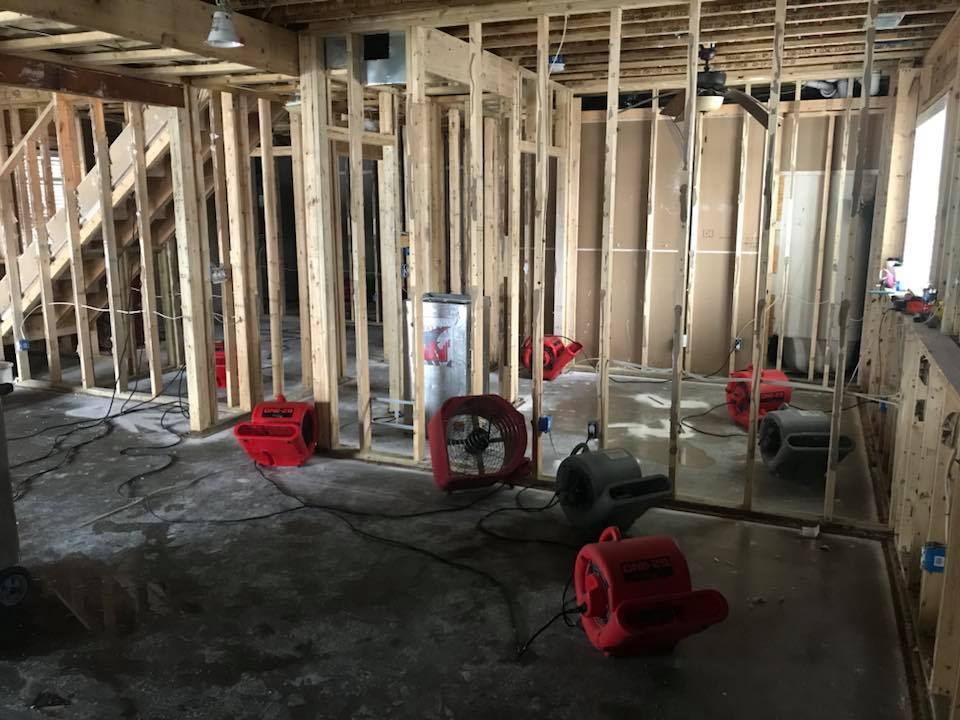
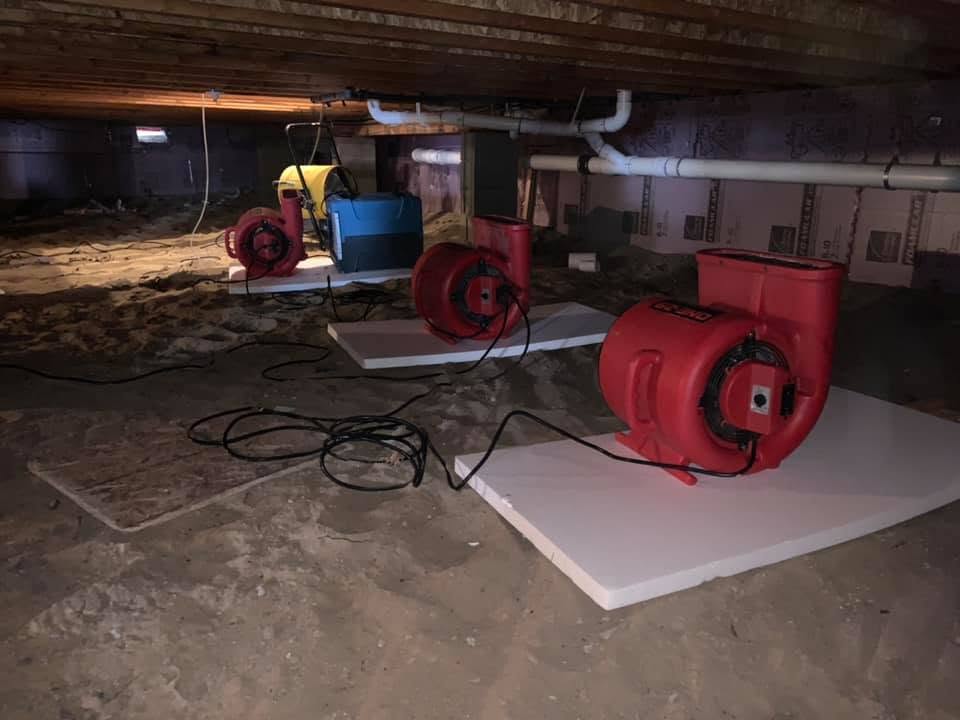
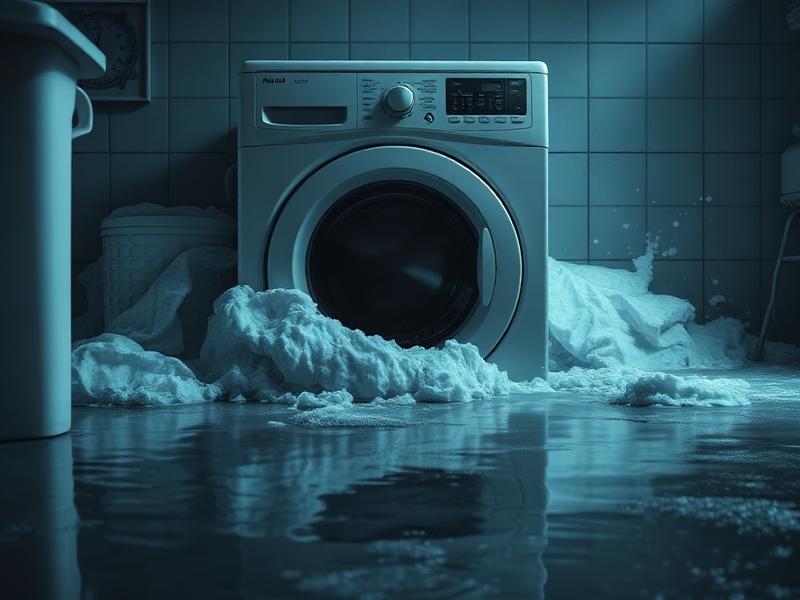
Our own crews, our own photos. Clean water, gray water or a sewage backup, every job gets documented from start to finish.
Water Damage Category Questions
What is Category 1 water damage?
Category 1 is clean water that starts out sanitary, like water off a burst supply line, a leaking ice-maker line or an overflowing sink. If drying starts fast, most materials, including carpet and drywall, can often be dried and saved.
What is gray water (Category 2)?
Gray water has enough contamination to make people sick if they come in contact with it. Common sources are washing machine and dishwasher discharge and toilet overflows without feces. Carpet pad usually has to go, and surfaces get cleaned and treated with antimicrobial.
What is black water (Category 3)?
Black water is grossly contaminated and can carry bacteria, viruses and other pathogens. Sewer and floor drain backups, toilet overflows with feces and flood water coming in off the ground are all Category 3. Porous materials it touches, like carpet, pad, drywall and insulation, usually have to be removed.
Can clean water turn into Category 3?
Yes. Clean water picks up dirt and contamination as it soaks through carpet and floors, runs into wall cavities and sits in a warm house. The longer it sits, the worse it gets, which is why fast extraction and drying matter.
Can carpet be saved after a flooded basement?
It depends on the water. With clean water caught early, carpet and sometimes pad can be dried in place. With gray water, the pad usually goes. With sewage or flood water, the carpet and pad are removed.
What is a flood cut?
A flood cut is a straight cut in the drywall above the wet line. The wet, contaminated lower section and the insulation behind it come out so the wall cavity can be cleaned and dried, then new drywall goes back in.
Is it safe to clean up sewage myself?
We don’t recommend it. Sewage can carry bacteria and viruses, and household vacuums and fans can spread it through the house. Our crews use containment, protective gear, Phoenix HEPA air scrubbers and disinfectants.
Does insurance cover Category 3 water damage?
Coverage usually depends on what caused the water, not the category. Sewer backups often need a water backup endorsement, and flood water is usually excluded from homeowners policies. Your own policy decides, so check with your agent.