


Before You Decide to Stay, Check These First
Do this now
- Make sure the power is safe. If water reached outlets, cords, appliances or the electrical panel, keep the power off to those areas until a licensed electrician checks them.
- Smell gas? Get out. Leave the house and call 911 and your gas utility (DTE Energy or Consumers Energy) once you are outside.
- Protect the people most at risk. Keep young children, older adults, anyone pregnant and anyone with asthma, COPD or heart problems away from smoke-damaged or wet areas, and ask their doctor if you are unsure.
- Close off damaged rooms so soot, odor and moisture don’t spread to the rooms you are living in.
- Call us at 810-523-0034. We’ll look at the whole house and tell you honestly whether staying makes sense.
Don’t
- Don’t walk through standing water if outlets, cords or appliances are in it.
- Don’t run the furnace or air conditioning if soot got into the ductwork. It blows soot through the whole house.
- Don’t stay in living areas that had a sewage backup until they are cleaned and disinfected.
- Don’t sleep in rooms with heavy smoke odor or visible soot.
- Don’t run a generator, grill or camp heater inside the house or garage. Carbon monoxide can kill.
Stay or Go? A Quick Guide
Every house is different, but this is how most situations shake out.
| Situation | Usually safe to stay? | What we do |
|---|---|---|
| Small clean-water leak in one room, power is safe | Often yes, with that area closed off | Extract, dry and monitor with our Phoenix drying equipment |
| Sewage or Category 3 water in living areas | Usually not in the affected areas | Contain, remove, clean and disinfect. See water categories |
| Standing water near outlets or the electrical panel | No, not until the power is checked | Extraction once an electrician says it is safe |
| Small kitchen fire, light smoke in one area | Sometimes, with that area sealed off | Soot cleanup, Phoenix HEPA air scrubbers and odor treatment |
| Heavy smoke or soot through the house | Usually no | Board-up, full cleaning and deodorization |
| Sagging ceilings, burned framing or a car in the wall | No | Shoring and board-up |
| No heat in a Michigan winter | Not without a safe heat source | Temporary heat and power or winterizing |
Smoke, Soot and the Air You Breathe
Soot is made of very fine particles and residue left behind when things burn. It can irritate the eyes, nose, throat and lungs, and it settles on every surface, including the ones you can’t see. People with asthma or other breathing problems, young children and older adults usually feel it first, so it’s worth asking their doctor before staying in a smoke-damaged house.
While we clean, Phoenix HEPA air scrubbers pull fine particles out of the air so less soot and dust spreads to the rest of the house.
Hydroxyl generators break down smoke odor and can typically run while people and pets are home.
Ozone treatment is powerful, but nobody, including pets and plants, can be inside while it runs.
Burned plastic and wiring leave oily, smelly soot. Read about electrical fire damage.
Water, Sewage and Mold
Clean water from a supply line is one thing. Sewage, river water and groundwater are another. That kind of water can carry bacteria and other contaminants, and the affected areas should stay off-limits until they are cleaned and disinfected.
Time matters too. The EPA says water-damaged areas and items should be dried within 24 to 48 hours to prevent mold growth (EPA guide to mold and moisture). That’s why we start drying right away and track it with moisture mapping and drying logs. If mold is already growing, mold remediation is handled through our trusted partner.
Structure, Power and Heat
A ceiling holding water can come down without warning. Fire can weaken floors and framing. A car through the wall can leave a load-bearing wall missing. If you see sagging, cracking or soft spots, stay out of that area until it is checked and braced.
Power and water don’t mix, so wet outlets, cords and panels stay off until an electrician clears them. And in a Michigan winter, a house without heat is not livable for long, and pipes can freeze (how cold does it have to be?). We can set up temporary heat and power to keep the house protected.
If You Need to Leave for a While
Leaving doesn’t mean losing control of your house. Here’s what we can handle while you’re away:
Just had a fire? Start with what to do after a house fire. Wondering when you can move back? See how long restoration takes.

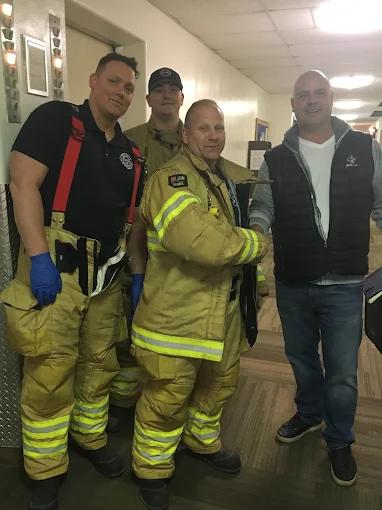
Meet the owner
Bryan Nowicki
Bryan has been in business since 1993, and in 2003 his own family’s home caught fire. He knows what the first days after a fire feel like, and he makes sure every family gets clear answers, fast help and a team that works directly with their insurance company.
If you have any questions or concerns, I’m here to help 24/7. I’d love to walk you through every one of your options so you can make the best decision for your home and your family.
— Bryan Nowicki, Owner
Local, family run, since 1993
Why Metro Detroit Homeowners Trust Select Restoration
Letting a company inside your home after a fire or flood takes trust. Here is what you can count on with us, and what our customers say about us.
What Happens When You Call
Staying Home During Restoration: Questions
Can I stay in my house during water damage restoration?
Often, if the damage is limited to part of the house, the power is safe and the wet area can be closed off. Drying equipment runs around the clock and can be loud, so some families choose to stay elsewhere for a few nights.
Is it safe to sleep in a house with smoke damage?
Light odor in a closed-off part of the house may be manageable for some families. Heavy smoke or visible soot in living areas usually is not. Anyone with asthma or other breathing problems should ask their doctor first.
Is soot harmful to breathe?
Soot is made of fine particles that can irritate the eyes, nose, throat and lungs. Limit time in smoke-damaged rooms and keep sensitive family members away. We run Phoenix HEPA air scrubbers while we clean.
Can I stay home with sewage in the basement?
Keep everyone out of the affected area until it is cleaned and disinfected. If sewage reached living areas or the HVAC system, it is usually best to stay elsewhere until cleanup is done.
Will insurance pay for a hotel if my house is not livable?
Many policies include additional living expenses, also called loss of use, when a covered loss makes the home unlivable. Limits vary, so check with your agent and keep every receipt.
How fast can mold grow after water damage?
The EPA recommends drying water-damaged areas and items within 24 to 48 hours to prevent mold growth. That is why drying should start right away.
Is it safe to use electricity after water damage?
Not in wet areas until a licensed electrician checks the outlets, wiring and panel. Never walk through standing water that is touching outlets, cords or appliances.
Can hydroxyl generators run while we are home?
Hydroxyl generators can typically run while people and pets are home. Ozone treatment is different: nobody can be inside while it runs. We will always tell you which one we are using.